The Solo Traveler’s Guide to Staying Safe in Unfamiliar Cities
|
Published: March 12, 2026
Grand View Research says the U.S. solo travel industry was worth close to $95 billion in 2024 and is expected to grow at 12.4% per year through 2030. As the surge of solo travelling has reached beyond peak, the talks around staying safe in unknown locations h
have never been more relevant.
Learning to stay safe in almost every situation is a practice that every traveller should do first. That’s why this article provides a complete walkthrough on how to maintain the utmost safety wherever your next solo trip takes you.
Let’s begin!
Key Takeaways
- Understanding the importance of researching your destination
- Exploring why extra caution is needed in road trips
- Uncovering some potential scams that can happen
- Looking at the ways to explore things smartly
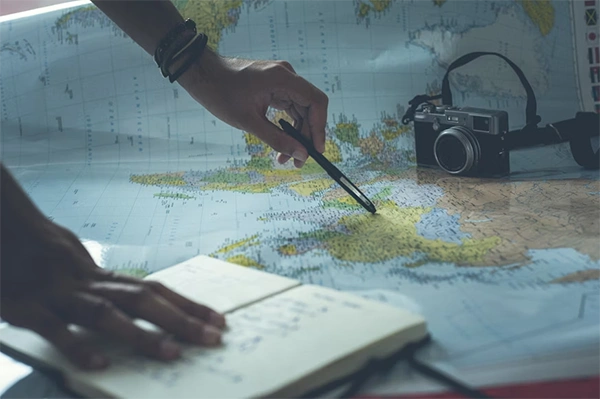
Being a good solo traveller, you must plan things one week before your departure. Spend some time on Google Maps walking the streets virtually around your hotel or rental. Look up which neighborhoods locals recommend and which ones come up repeatedly in travel forums as areas to avoid after dark.
Reddit threads, travel blogs, and even forums are goldmines for honest, ground-level information. Locals and frequent travelers share things that guidebooks often leave out.
Global news also deserves a spot in your pre-trip routine. The recent U.S.-Iran tensions are a reminder of how quickly a destination’s safety profile can change overnight. Certain regions, border areas, and cities with heavy political or military significance can go from calm to complicated faster than any travel app updates.
Check the U.S. State Department’s travel advisory page regularly in the weeks leading up to your trip. Sign up for alerts if you can. If a region shows up repeatedly in news cycles for the wrong reasons, factor that into your planning with a clear head.
Pay attention to where the nearest hospital, police station, and pharmacy sit relative to where you’re staying. Knowing this in advance costs you nothing and saves you real stress in a tight spot.
Pro Tip
Experts advise sharing itineraries with trusted contacts, staying in well-reviewed, centrally located hotels with 24/7 reception, and dressing to blend in with local customs. Forbes
There is nothing more charismatic than road trips, especially during sunsets. Open highways, new landscapes, and the freedom to stop wherever you please. That freedom, though, comes with a category of risk that solo travelers consistently underestimate until they are sitting in the middle of it.
Motor vehicle accidents are the leading cause of death for Americans traveling abroad, claiming over 1,500 lives across a recent three-year stretch. Even on home soil, busy interstates can turn dangerous without much warning.
A recent accident on I-49 through Rogers, Arkansas, brought southbound traffic to a complete standstill. Incidents like these act as a reminder that high-volume corridors demand real respect, regardless of how familiar the route feels.
Despite taking every precaution, if a mishap occurs, then first of all, stay calm and get to safety first. Once you are safe, contact a Rogers car accident lawyer to protect your rights before the insurance company starts building its version of events.
A qualified lawyer handles your claim, leads settlement negotiations, and represents you in court if the situation escalates, adds Keith Law Group. Overseas, contact your travel insurer and the nearest U.S. Embassy immediately, and document everything at the scene before leaving.
A few habits can make a huge difference here. Avoid driving during peak congestion hours whenever possible, especially on heavily trafficked interstate routes. Pull over and rest the moment fatigue sets in, because drowsy driving is far more dangerous than most people treat it.
Keep your phone out of your hands entirely while moving. Use GPS audio instead of glancing at screens, and always maintain a generous following distance from the vehicle ahead.
Unfamiliar cities are exciting, and they can also be unpredictable in ways that catch even seasoned travelers off guard. Start by researching the crime rate of your destination city before anything else. This one step alone changes how you plan, what you pack, and how you move around once you arrive.
Some destinations require a more serious level of preparation than others. Myanmar, Colombia, and Mexico regularly appear at the top of global crime indexes, with issues ranging from street theft to organized criminal activity.
If you are traveling to any of these countries, preparation moves from helpful to essential. Research which cities carry the highest risk, register your trip with the nearest U.S. Embassy, and make sure someone back home holds your full itinerary.
Scams are where things get more nuanced, because they tend to be polished and targeted. Cities like Bangkok, Istanbul, and Paris are known hotspots for traveler-focused scams. The common thread across all of them is a situation that feels slightly too convenient or too friendly. When that feeling surfaces, slow down and pay attention.
Neighborhoods also behave differently after dark, sometimes dramatically so compared to how they feel in daylight. A quick conversation with hotel staff about which areas to avoid at night is always worth having before you head out for the evening.
Solo travel rewards the prepared, and preparation really does not take much. A little research before you leave, some situational awareness once you arrive, and the right contacts saved in your phone cover most of what you need.
The world is genuinely worth seeing on your own terms, and millions of people do it safely every single year. Pack smart, stay curious, keep your wits about you, and go have the trip you have been thinking about. The cities are waiting.
Ans: They are best, it helps to find the inner peace and calmness in an individual because of the captivating experience throughout the journey.
Ans: No, 27 is not too old for solo travelling; in fact, 25-30 years of age is considered the perfect time to explore the world.
Ans: Yes, it has become more popular after the pandemic era.

Welcome to Tripvert, your best travel companion. Here, you will find real travel stories, tips, and guides that will help you explore the world with a different approach.