Industrial Heritage Destinations That Reveal How the Modern World Was Built
|
|
Published: March 10, 2026
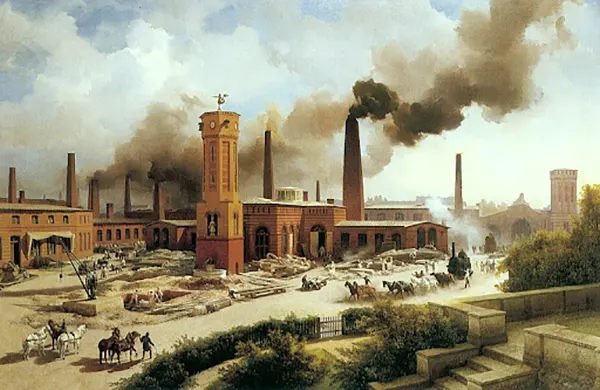
Usually, trips are organized with the exploration of nature and its marvellous landmarks in mind, but some destinations tell a very unique story.
Instead of huge castles and temples, these destinations have preserved factories, rail yards, mines, and projects. These sites now welcome visitors to experience the places that once shaped the industrial age as we know it
Let’s take a closer look at how these industries transformed economies and cities with their innovation, and where you can find these engineering spectacles.
Key Takeaways
- Experiencing the complex legacy of Steamtown National Historic Site, United States
- Learn about Europe’s industrial age by visiting Zollverein Coal Mine Industrial Complex, Germany
- Discover the birthplace of the Industrial Revolution by exploring the Ironbridge Gorge, United Kingdom
- How the past still influences the functioning of the modern world
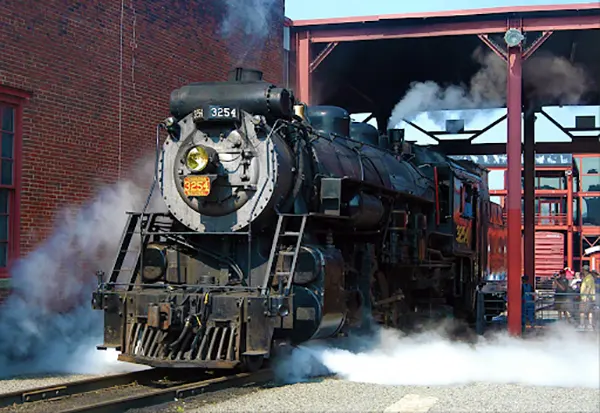
Not every historic destination comes from the ancient world. Some reveal the industrial era that transformed how people moved across continents. Steamtown National Historic Site in Scranton, Pennsylvania, tells that story through one of America’s most influential industries.
The preserved rail yard houses locomotives, repair shops, and track systems from the age of steam transportation. During the nineteenth and early twentieth centuries, railroads connected distant cities, moved goods across vast regions, and reshaped how people traveled. Entire communities grew around these rail lines.
At Steamtown, people do not just observe old machines; instead, they are preserved and carefully restored so people can experience how these engines were used in the past. The site’s preservation teams continue to rebuild historic trains piece by piece. A recent example is the restoration and first run of a World War II–era locomotive. It brought the sound and energy of steam travel back to life for visitors.
Railroads, however, were built not only on engineering but also on human labor. As Gianaris Trial Lawyers notes, thousands of workers operated trains and maintained equipment in demanding industrial environments.
Modern legal cases highlight this side of history as well. Railroad cancer lawyers argue that prolonged exposure to diesel exhaust and chemicals harmed many workers and that proper precautions were often lacking.
These historic sites display their complex legacy as they celebrate and preserve innovations of the past to remind visitors of the hardworking people who powered the engines that once moved the world.
Fun Fact
In 1801, Richard Trevithick introduced the first steam-powered vehicle built for passenger travel, famously named “The Puffing Devil”.
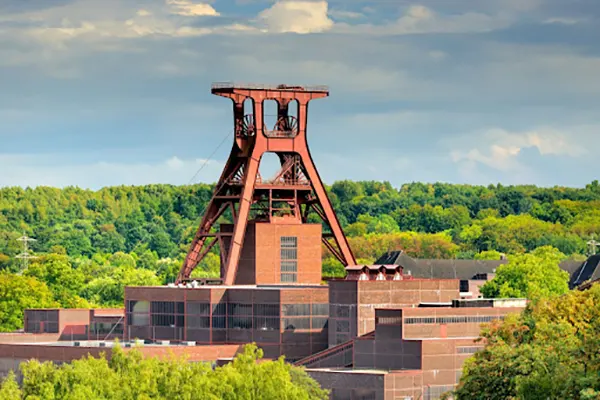
In the German city of Essen stands the Zollverein Coal Mine Industrial Complex, one of Europe’s most striking industrial heritage sites. Its iconic red twin pithead winding tower rises above the landscape. Many people call it the “Eiffel Tower of the Ruhr,” a symbol of the region’s industrial past.
Between 1851 and 1986, millions of tonnes of coal were extracted here, fueling factories, railways, and steel production across Germany’s Ruhr region.
At its prime, the Zollverein was one of the most efficient coal mines in the world. Shafts, processing plants, and conveyor belts operated without breaks as many workers toiled underground. Yet the industry also came at a high cost.
Coal mining left lasting impacts on nature, the climate, and the surrounding communities. Working conditions were often harsh and dangerous, despite the romantic image sometimes associated with the mining era. During the Second World War, prisoners of war and forced laborers were also made to work at the site under extremely difficult conditions.
Today, Zollverein has been transformed into a UNESCO World Heritage Site and cultural center. Former industrial buildings now host museums, exhibitions, and design spaces. Walking through its steel structures offers a powerful reminder of both the achievements and the human cost of Europe’s industrial age.
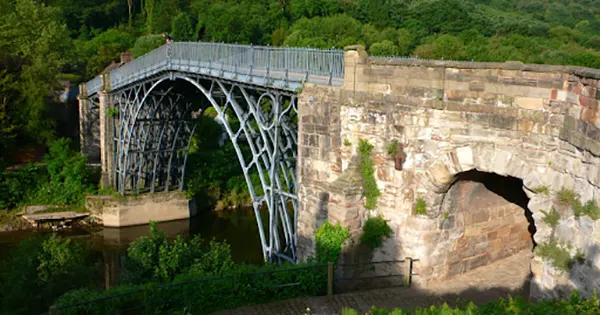
Few places illustrate the birth of the Industrial Revolution as vividly as Ironbridge Gorge in Shropshire, England. The region is often described as the birthplace of the Industrial Revolution. During the eighteenth century, new manufacturing methods and iron production began transforming Britain’s economy.
At the heart of the site stands the Iron Bridge. In completed in 1779 and was the world’s first bridge that was made solely from cast iron. This structure was a testament that proved that iron could also be used in large-scale engineering. It transformed people’s thinking and inspired industrial construction across Britain and beyond, ushering in the Industrial Age.
During its peak, the gorge was filled with furnaces, factories, and workshops that produced iron goods exported around the world. Coal mining, iron smelting, and early factory systems all flourished here, turning the valley into a center of industrial innovation.
Today, the area is preserved as a UNESCO World Heritage Site, with several museums that explore different aspects of this industrial past.
Efforts to protect the landscape continue today, with organizations like the National Trust helping safeguard the gorge and its historic landmarks. Visitors can now walk through restored industrial sites, early worker housing, and museum exhibits that bring the Industrial Revolution to life.
Ironbridge Gorge reveals how one small valley helped spark technological changes that reshaped the modern world.
These historic industrial sites rarely appear on travel lists, yet they tell important stories about how the modern world was built.
Visiting these historical treasures offers much more than a regular history lesson, as travellers walk through the giant structures and workshops where transformations took place daily. These sites reveal how humans strived to innovate and work together to amplify industrial progress.
Exploring these destinations adds another dimension to travel. They remind us that today’s cities and transportation networks grew from a powerful industrial past. That past still influences the world we move through today.
It is important to know how the past shaped the global trade and cities to what they are today, and how the engineering marvels of that time were used in the industrial age.
Scranton is called Steamtown because it was once a major center for steam locomotive repair and railroad operations in the United States. The city played a key role in the steam rail industry. Today, the Steamtown National Historic Site preserves that legacy.
The Zollverein Coal Mine Industrial Complex played a major role in Germany’s industrial growth. Coal mined there powered factories, steel production, and railways across the Ruhr region. Its output supported economic expansion and helped turn the area into one of Europe’s most important industrial centers.
Ironbridge Gorge is often called the birthplace of the Industrial Revolution because many early industrial innovations began there. Iron production, coal mining, and manufacturing expanded rapidly in the region. The famous Iron Bridge proved that cast iron could support large engineering structures.

Welcome to Tripvert, your best travel companion. Here, you will find real travel stories, tips, and guides that will help you explore the world with a different approach.