Become a Stress-Free International Traveler with These 7 Smart Planning Tips
|
Published: February 2, 2026
I have explored the distant horizons a little too far to notice the difference between a chaotic ordeal and a soul-stirring adventure. With the trend towards slow travel and immersive cultural research, the pressure to get it right can feel immense.
Therefore, this guide provides a strategic “Silicon Shield” for your journey, ensuring that your budget is resilient, and your soul is ready for an amazing adventure. Whether you are hunting for the best month to visit Thailand or mapping out a European rail odyssey, this smart preparation can be your ultimate ticket to freedom.
Winging it in this connected and compliant world is now risky business. Smart planning isn’t about sticking to a rigid time frame; it’s about planning the opportunity to be spontaneous.
The old travel saying goes, “Good preparation prevents a bad trip.”
Before the first suitcase is opened, the mind must travel first. Thorough research is the foundation of an authentic experience.
| Research Area | Why It Matters | Pro Tip |
| Local Customs | Avoids accidental disrespect and fosters genuine local connections. | Learn five basic phrases; “Thank you” goes a long way in any language. |
| Seasonal Weather | Ensures your gear matches the environment. | Research the best month to visit Thailand or Japan to avoid monsoon or humidity peaks. |
| Safety Zones | Identifies the best neighborhoods for your specific travel style. | Use the “Heat Maps” on travel forums to see where fellow explorers are staying. |
| Hidden Gems | Moves you beyond the “TikTok-famous” spots into authentic culture. | Look for “Secondary Cities” near major hubs for a quieter, cheaper experience. |
A missing passport and a denied visa can ruin a vacation! Hybrid (digital and physical) is the best way to have an enjoyable vacation in 2026.
To be successful in managing money overseas, you must combine numerous methods. A “split strategy” is best due to the many changes brought on by digital payment methods and the volatility of currency exchanges.
The 3-phased method I record for funding your travels is through the following:
When dealing with fluctuating exchange rates, it is important to follow the old saying, “If you take care of the pennies the pounds will take care of themselves”.
The goal is to be a “carry-on connoisseur.” Overpacking is a physical and mental burden that complicates every transition.
FUN FACTThe United Nations has reported that the amount of international travelers around the world will be at an all-time record high in 2025 and will surpass the year of 2025 by approximately 3 – 5% (approximately 1.52 billion of them).
The way we travel means that the early bird not only gets the worm, but he or she gets the balcony room as well.
In 2026, you will choose if you want to be “unplugged” from the digital world, but if you choose to go “disconnected” from your digital world, it is likely to put you at risk. Make sure you have a digital lifeline.
Travel eSIMs are being used by many of the world’s most seasoned travellers. They can be downloaded before you even arrive in your destination country and will provide you with data instantly versus trying to track down a physical SIM card kiosk upon arriving. Before leaving for your trip, you should also download offline maps of your destination city. These maps will help you navigate narrow streets to avoid blind spots from losing cell signal when using GPS.
Detour is a word used to describe an unwanted occurrence that you will likely encounter on an otherwise planned trip. Your attitude toward “glitches” will determine the success of your trip.
Expecting the unexpected is the only way I know to stay truly calm when travelling. If your flight is delayed or your destination is closed, think of them as the opportunity to check out the local coffee shop. This is why a Now Health International insurance plan will give you the monetary peace of mind needed to deal with unexpected interruptions.
Respond to them with “That’s OK” as opposed to “Oh my, what have I done?” Your resilience would be the most valuable asset in your suitcase!
To wrap up your planning, focus on the “Human” side of the journey.
Prepare for your perfect unwinded trip by organising your paperwork, obtaining your c Health International insurance, and researching when to go to Thailand or wherever you want to go! There is only one thing you buy and it makes you wealthier – travel! If you do not stress so much while travelling, you will have more emotional currency available for future travels.
International trips ideally planned 6 and 4 months for booking to get the best price.
Travel insurance is important. The Now Health International insurance plans provide coverage for common travel disruptions in trip cancellations and lost luggage.
Shoulder season means between peak & low seasons; it offers good weather, lower prices, and fewer crowds.
$50 – $100 in local currency is good for emergencies and other purchases can be made with a digital card.
Reaching the South Pole starts with a different question from booking an Antarctic cruise: how much time do you want…

Planning a safari in 2026 is a great way to experience stunning scenery and world-famous wildlife in Tanzania. Although Tanzania…

Some journeys begin where normal travel infrastructure ends. There are no train stations at the South Pole, no highways across…

Everest Base Camp Helicopter Tour: Beyond Everest, What Stays With You From the Flight There’s a particular kind of traveler…

Most people compare Nepal’s big trekking routes the way they’d compare flights — by duration, by difficulty, by which one…
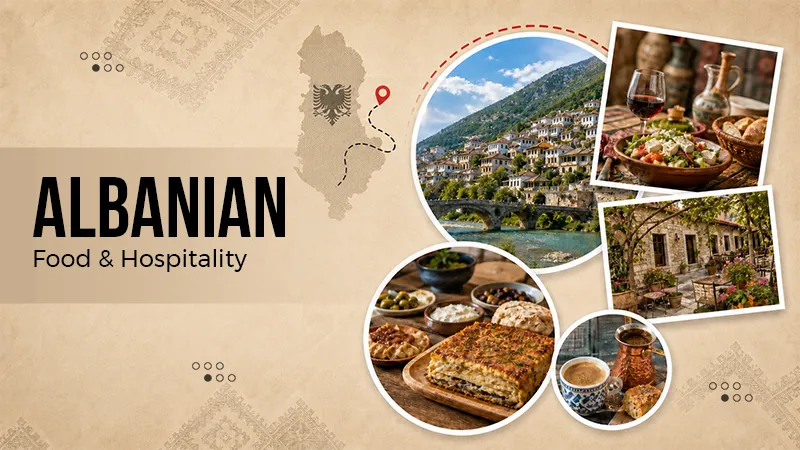
Albania’s best souvenirs aren’t objects. They’re meals, conversations and invitations to stay a little longer. Here’s how to travel the…

Welcome to Tripvert, your best travel companion. Here, you will find real travel stories, tips, and guides that will help you explore the world with a different approach.