Mexico is a land of contrasts, and nothing proves it better than its two Pacific jewels: Los Cabos and Puerto Vallarta. While both share the same ocean, the experiences they offer are worlds apart. Whether you are choosing between them or planning to visit both, this guide covers everything you need to know about logistics, mobility, and lifestyle.
1. Two Destinations, Two Different Souls
To understand these places, we must first look at their geography.
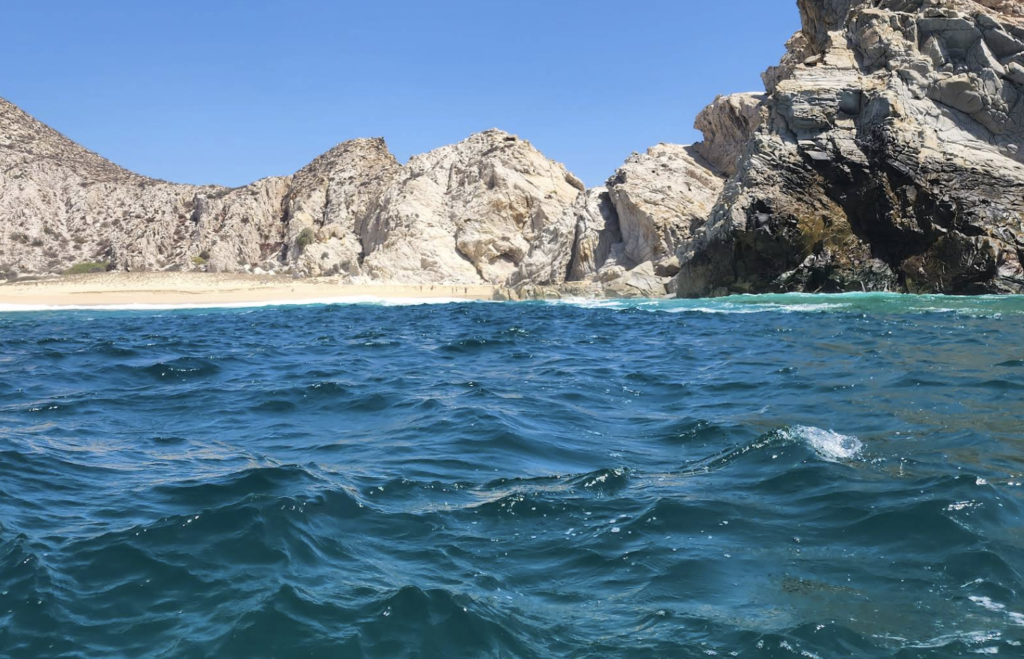
Los Cabos, located at the tip of the Baja California Sur peninsula, is where the desert meets the sea. It features a dramatic landscape of golden rocks, cacti, and deep blue waters. It is primarily divided into two towns: Cabo San Lucas (the party hub and home to the famous Arch) and San José del Cabo (the artistic and tranquil side), connected by a 20-mile “Tourist Corridor.”
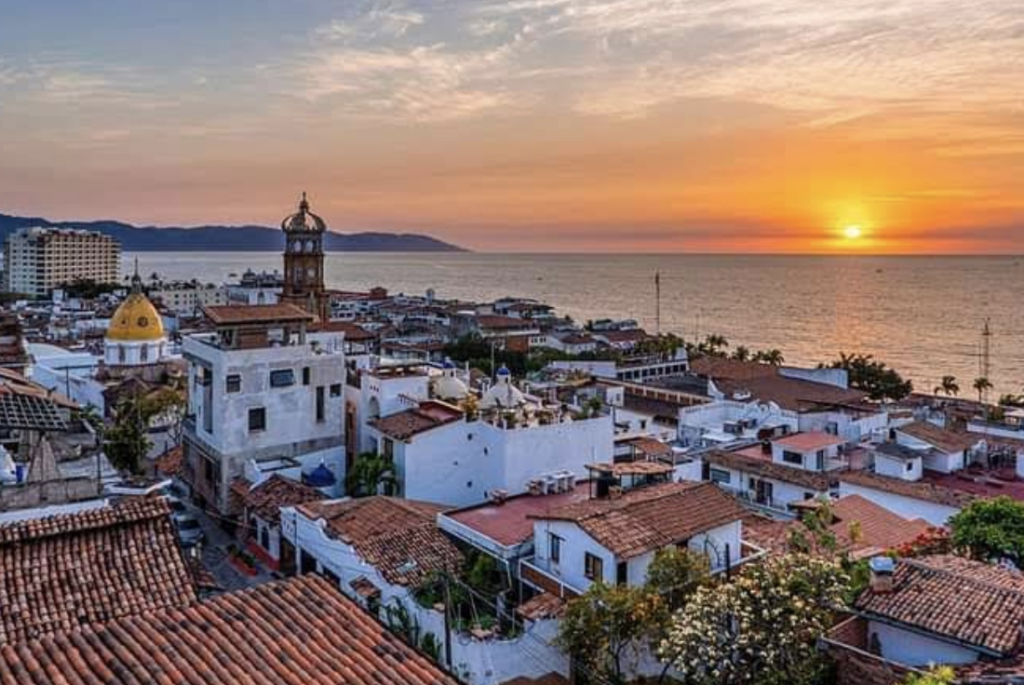
Puerto Vallarta, in the state of Jalisco, is “Classic Mexico.” Here, the Sierra Madre Occidental mountains are covered in vibrant green jungle that reaches the water’s edge. Its streets are cobblestoned, its roofs are red-tiled, and the atmosphere breathes traditional Mexican charm with a cosmopolitan twist.
2. Weather: When is the Best Time to Go?
While Mexico is famous for eternal sunshine, the climate varies significantly:
Los Cabos: A desert climate. Summers are extremely hot, often exceeding 95°F (35 °C), while winters are cool and dry. Whale watching season (December to April) is spectacular.
Puerto Vallarta: A tropical climate. This means humidity. Winter is perfect (77-82°F / 25-28°C), but summer brings afternoon rain showers that, while refreshing, significantly increase the humidity.
3. Mobility Guide: How to Get Around Successfully
This is the point that confuses travelers the most. Navigating these destinations requires different strategies.
Getting Around in Los Cabos
Los Cabos is a “long” destination. Distances are considerable, and transportation tends to be pricey.
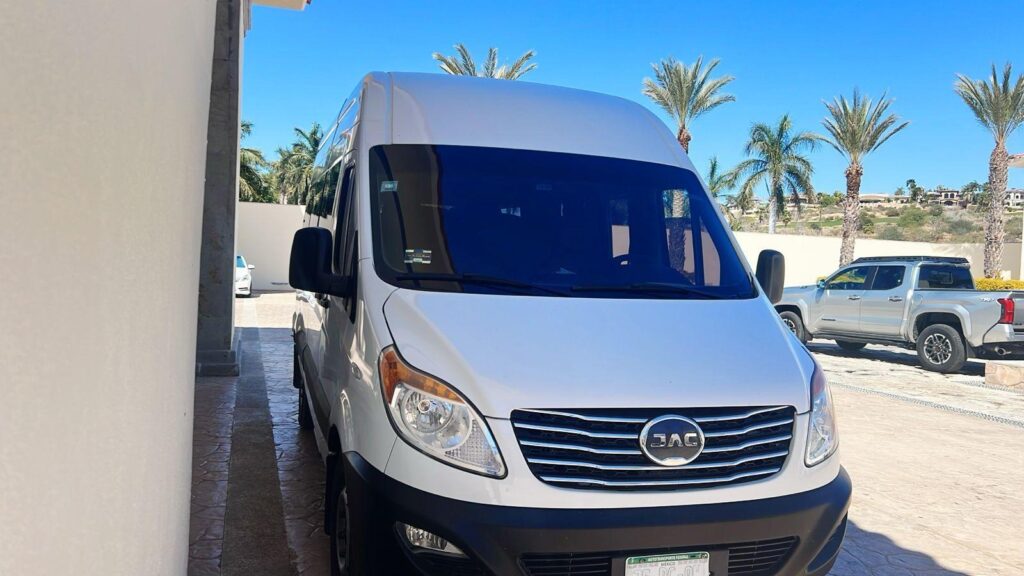
From the Airport to your Hotel:Los Cabos International Airport (SJD) is about 15 minutes from San José del Cabo, but 45 minutes from Cabo San Lucas.
Uber in Los Cabos: Uber works, but with caveats. They cannot legally pick you up inside the federal airport zone. At hotels, some security guards won’t let them enter the lobby, so you might need to walk to the main gate. It is much cheaper than official taxis.
The “Ruta del Desierto”: If you’re on a budget, this is your best friend. These are modern purple and yellow buses that run along the tourist corridor. For about $2-3 USD, you can travel between towns. It’s safe and air-conditioned.
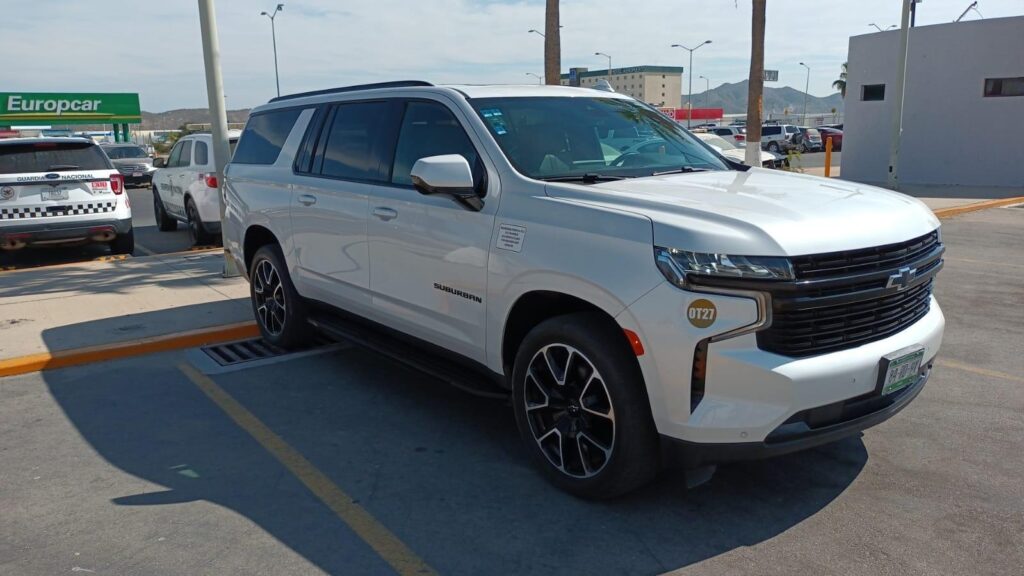
Car Rental: If your plan is to visit beaches like Cerritos or the town of Todos Santos, renting a car is the smartest investment. The Transpeninsular Highway is modern and easy to drive.
Getting Around in Puerto Vallarta
Unlike Los Cabos, Vallarta is much more compact and “pedestrian-friendly.”
Walking: If you stay in the Romantic Zone or Downtown (Centro), you don’t need transportation. Walking the Malecón (boardwalk) is the main activity.
Local Buses (Camiones): These are an experience in themselves. For about $10 MXN ($0.60 USD), you can get almost anywhere. Look for buses that say “Centro” to head to the heart of town, or “Mismaloya” for the southern beaches.
Water Taxis (Pangas): Puerto Vallarta has beaches that cannot be reached by land (such as Las Ánimas, Quimixto, or Yelapa). You’ll need to take a panga from the Los Muertos Pier or Boca de Tomatlán.
4. What to Eat? The Gastronomic Duel
In Los Cabos: The king is the Baja-style Fish Taco. Usually featuring battered fish served with cabbage, cream, and salsas on flour or corn tortillas. Being a luxury destination, you’ll also find stunning “Farm-to-Table” restaurants in areas like Flora Farms.
In Puerto Vallarta: You must try Pescado Embarazado (a play on words for “roasted on a stick”). It’s shark or shrimp grilled over charcoal on a wooden skewer. Also, Pozole and Birria are spectacular here, as Jalisco is the birthplace of these iconic Mexican dishes. Don’t miss the municipal market for authentic, affordable food.
5. Must-Do Activities
In Los Cabos:
The Arch (El Arco): You must take a boat tour (preferably glass-bottomed) to see “Land’s End.”
Whale Watching: If you go between December and March, seeing humpback whales breach is a must.
Surfing at Costa Azul: For wave lovers, San José del Cabo has legendary surf breaks.
In Puerto Vallarta:
The Malecón: A mile-long boardwalk filled with bronze statues, street performers, and shops.
Vallarta Botanical Gardens: Consistently ranked as one of the best in North America.
Snorkeling at Los Arcos: Large rock formations in the middle of the ocean teeming with marine life.
6. Safety and Money Tips
Cash vs. Card: In Los Cabos, cards are accepted almost everywhere. In Vallarta, for markets, buses, and small tips, carrying Mexican Pesos is essential.
Safety: Both destinations are very safe for tourists. However, in Vallarta, the cobblestone streets can be tricky; wear comfortable shoes!
The “Shark Tank”: When exiting customs at both airports, you will see many people offering “free” help, transportation, or tours. These are timeshare salespeople. My advice: Don’t stop—walk straight out to find your pre-booked transport or ride-share app.
Los Cabos is for those seeking a sophisticated escape who love desert landscapes and don’t mind spending a bit more for exclusivity and high-end adventure. Puerto Vallarta is for those who want to feel the pulse of Mexico, stroll through historic neighborhoods, bask in lush greenery, and have a more authentic, diverse experience.
Whichever you choose, both will gift you the best sunsets the Pacific has to offer.