Travel Souvenir Ideas You’ll Actually Keep
|
Published: April 7, 2026
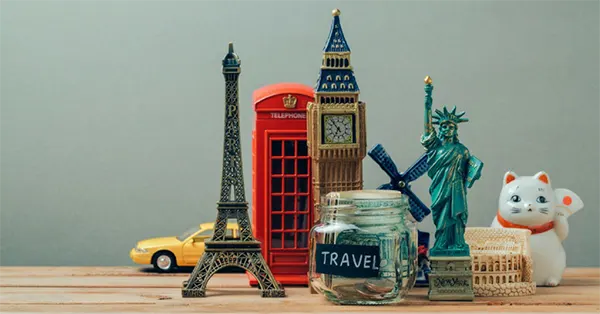
Most souvenirs are forgotten over time because they lack any function or relevance in our daily lives. Items that were just bought for the memories of a specific place, without much thought of utility.
But items that are designed with durability and personal meaning, serving a practical purpose, and acting as structured memory artifacts fitting smoothly into routine environments are the ones that are actually useful.
Below are technically sound souvenir ideas that are more likely to be retained for the long-term.
Key Takeaways
- Souvenirs shouldn’t just be used as a memory storage, instead must also be functional in everyday tasks
- Items that are made of unique and rare materials with elegant designs are always more valuable than regular copies of the same thing
- Digital souvenirs must be categorized, labelled, and kept properly so they can be easily accessed at a later time
- Multi-use souvenirs are the best functional items, showcasing their multiple uses and making them beneficial for the long-term
Souvenirs that integrate into daily routines are more likely to be preserved. Items such as mugs, bags, or accessories remain relevant because they serve ongoing purposes.
Items that are functional have a reduced likelihood of being discarded. When an item is used frequently, it reinforces the memory associated with it.
The key is selecting objects that align with existing habits rather than introducing unnecessary items.
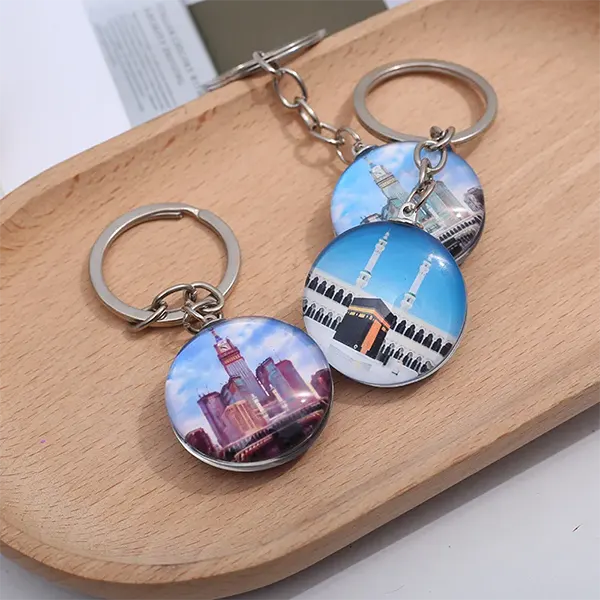
Smaller, more portable items are much easier to retain and move. They do not require an independent storage space and are less likely to get misplaced.
Products such as custom keychains are effective as they combine customization with actual function, attaching to items that are regularly used, like keys or bags, ensuring continuous visibility.
Compact accessories provide:
This combination increases retention over time.
Clothing and wearable items function as both utility and expression. However, durability and design must be considered to ensure long-term use.
Items should be made from materials that withstand repeated washing and wear. Neutral or adaptable designs increase the likelihood of regular use.
Wearable souvenirs are much better when they smoothly integrate into existing wardrobes instead of standing out separately.
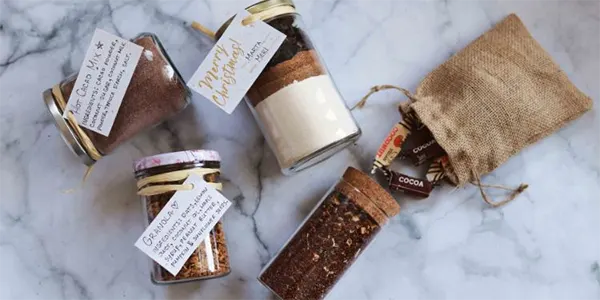
Consumable souvenirs such as local food products or specialty goods provide value through experience rather than long-term storage.
These items do not create clutter and allow travelers to engage with local culture practically. Their temporary nature ensures that they are used rather than forgotten.
Consumables are particularly effective when long-term retention is not necessary.
Few souvenirs act as storage tools rather than functional objects. These include items designed to preserve memories in a safe format.
Examples include journals, postcards, or curated collections. These items allow travelers to document experiences systematically.
Structured memory tools provide:
The organization increases the long-term value of these items.
Decorative objects are most likely key when there is a suitable place within a living space. Random insertion or oversized items often become clutter.
Effective decorative objects are:
Defined placement ensures that the item remains visible and relevant.
Fun Fact
In the early 20th century, silver spoons were among the most popular vacation souvenir collectibles, which later shifted to plates and trays.
Handmade souvenirs have higher retention value due to the material used and their uniqueness. These things usually outline local techniques and their culture.
Material integrity is critical. Items made from durable materials such as wood, metal, or ceramics are more likely to withstand time and use.
Locally crafted products provide both functional and cultural value.
Digital souvenirs such as photos and videos are increasingly common. However, their value depends on organization and accessibility.
Unstructured digital items usually become difficult to access and identify over time. Proper tagging, categorization, and backups are crucial to be useful.
Digital storage allows for large volumes of content without physical space requirements.
Souvenirs with dynamic functionalities are more likely to remain relevant. Multi-use items can flexibly adapt to changing needs, extending their lifespan.
Examples include:
Adaptability increases long-term retention.
Most souvenirs are wasted away somewhere because they lack purpose or are exactly the same as existing pieces. Avoiding such purchases improves retention.
Items to avoid typically include:
Selective purchasing ensures that each item has a defined role.
Travel souvenirs that are retained over time share common characteristics: functionality, durability, and integration into daily life.
Whether through practical use, memory preservation of a place, or unique design, effective souvenirs provide lasting value. By choosing items aligning with these principles, travelers can ensure that their souvenirs feel meaningful even after the trip ends.
Ans: Souvenirs serve as a memory reminder of a place visited before, while also providing a peek at the unique and different culture of the foreign place.
Ans: Buying functional items that serve a purpose in your life and routine work is the best. These frequent use leads to them being taken care of, thus extending lifespan.
Ans: There isn’t a specific necessity, but try to attain rare and unique materials that appear elegant by design to make it viable for the long-term.
Ans: An item that serves more than one purpose at once, like a custom keychain, which can be used for attaching keys and is also used to showcase its intricate personalized design.

Welcome to Tripvert, your best travel companion. Here, you will find real travel stories, tips, and guides that will help you explore the world with a different approach.