Valley of Flowers Uttarakhand : Trek Route, Budget Itinerary, Best Time to Visit and More
|
|
Published: February 4, 2026
Residing in a metropolitan city, going to an offbeat location like the Valley of Flowers that provides ultimate solace from the hustle and bustle of the city, was something that I always yearned for. What came to me as a crowning glory was an opportunity for a solo trip to the Valley of Flowers.
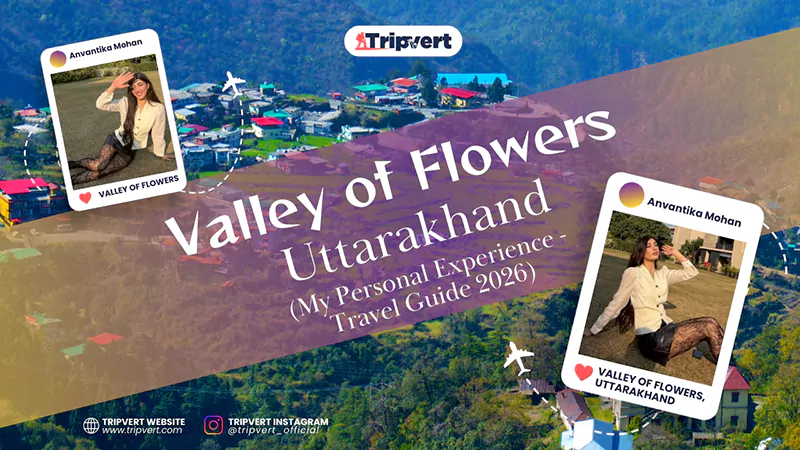
When I completed my trek to the Valley of Flowers, the place left me spellbound. The dazzling hues of flowers-blue, pink, yellow, orange- captivated me to my core, and amidst those radiant colours, I found myself back.
Here I am, sharing my personal experience and guiding you through your journey to the paradise on Earth, the Valley of Flowers.
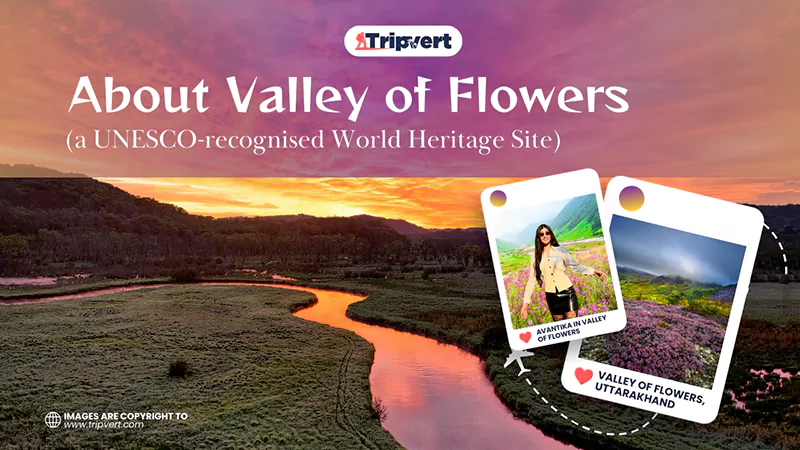
The Valley of Flowers, known for its endemic alpine meadows, is a breathtakingly beautiful valley, is in the Chamoli district, nestled in the Garhwal Himalayas of Uttarakhand, spread over an area of 87 sq km.
To my surprise, the Valley of Flowers was a hidden gem, uncovered accidentally by a British Mountaineer, Frank Smythe, leading to global fame in 1931, through his book.
The Valley of Flowers upholds its mythological roots with its mention in ancient texts like the Skanda Purana as “Nandan Kanan” and in Kalidasa’s Meghadūta as “Alka”, representing its long-acknowledged beauty. This is close to the place where Hanuman found the Sanjeevani herb to bring Ram Bhagwan to consciousness.
It became a National Park in 1980, and after the acknowledgement of its universal value, it was assigned the status of a UNESCO World Heritage Site
Imagine strolling into the valley that is blanketed with blooming flowers, vibrant hues, floating clouds at your eye level and breathing in the air that smells impossibly fresh. I mean, I know you’re mesmerised just by the description of this beautiful place.
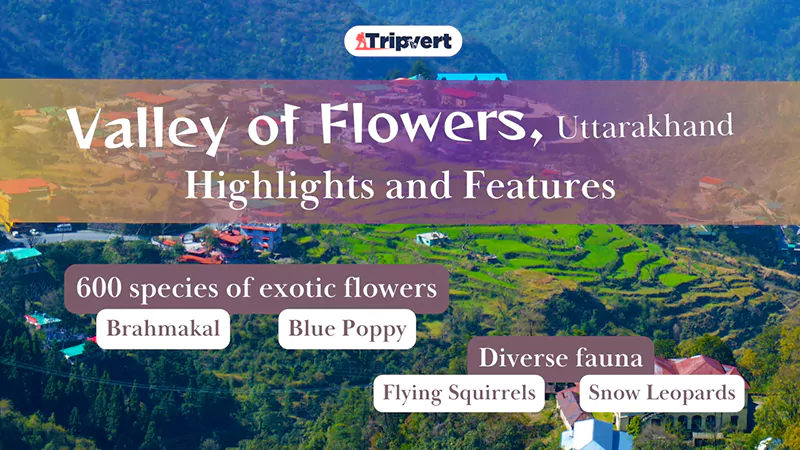
The beauty of the valley is nestled with a wide variety of fauna, flora, and Alpine meadows, blooming with over 600 species of exotic flowers. This includes high-altitude wildflowers, such as Brahmakal, Blue Poppy, orchids, marigolds, and daisies carpeting the floor with vibrant colours.
As Frank Smythe himself said in his book, “it was impossible to take a step without crushing a flower” filled with intense blues and pinks, creating a “vision of unreality”.
The Valley is imbued with diverse fauna such as Grey Langurs, Flying Squirrels, Black Bears, Red Foxes and Snow Leopards. This isn’t a scene from a fantasy novel- it’s the Valley of Flowers, sounds like everybody’s Bollywood dream!!
Also Read: Manali to Chandratal Lake Distance: Best Routes & Tips
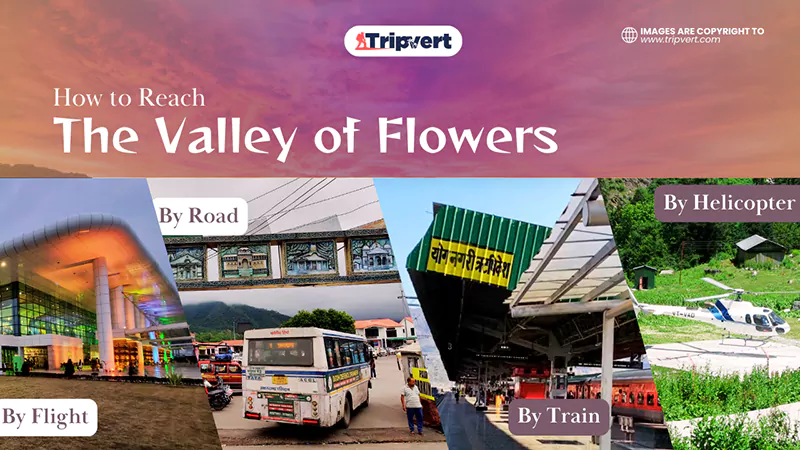
There are multiple modes of transport that you can choose to reach the Valley of Flowers, depending on your convenience. However, there is no way to reach the destination without completing a trek. The last motorable spot is Govindghat, from where you have to complete the trek.
Check out the modes of transport that you can use to reach the Valley of Flowers:
| By Flight |
|
| By Train |
|
| By Road |
|
| By Helicopter |
|
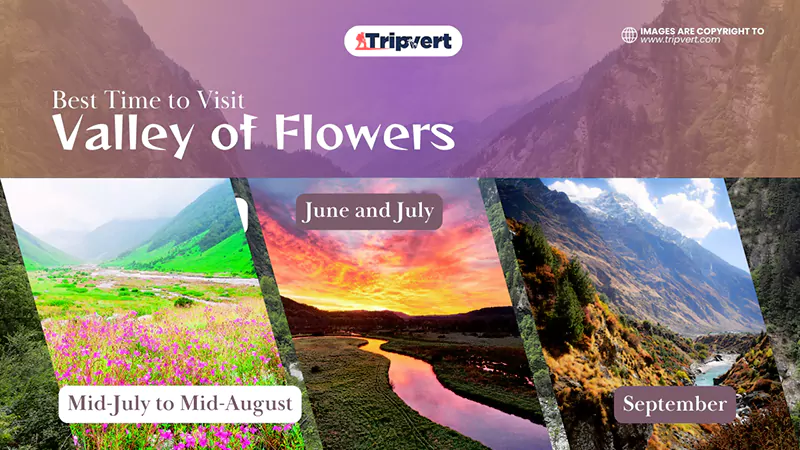
The best time to visit the Valley of Flowers is mid-July to mid-August. That’s when you can experience nature at its best with a full bloom and vibrant hues of pinks and purples.
Here’s a comprehensive weather guide for you so that you can choose your time as per your availability:
| Best Time | Mid-July to Mid-August
|
| Moderate Time | June and July
|
| Worst Time | September
|
Now, if you are wondering what the Valley of Flowers looks like, the captivating postcards and pictures that you’ve seen online, then the best time to visit the Valley of Flowers is mid-July to mid-August.
That’s when the valley is truly alive. It’s the time of full bloom, when the pinks and blues are spread all around, presenting you with a picturesque landscape of your dreams.
If you wish to see a smaller crowd, clear skies, melting snow, and lush greenery, then visit between June and July. September offers you clear skies, but after the monsoon, the flowers start fading. So, if you’re planning your trip and asking yourself, “What’s the best time to visit the Valley of Flowers?”, then visit in July and August. Trust me, that’s when nature slips into its grandest show.
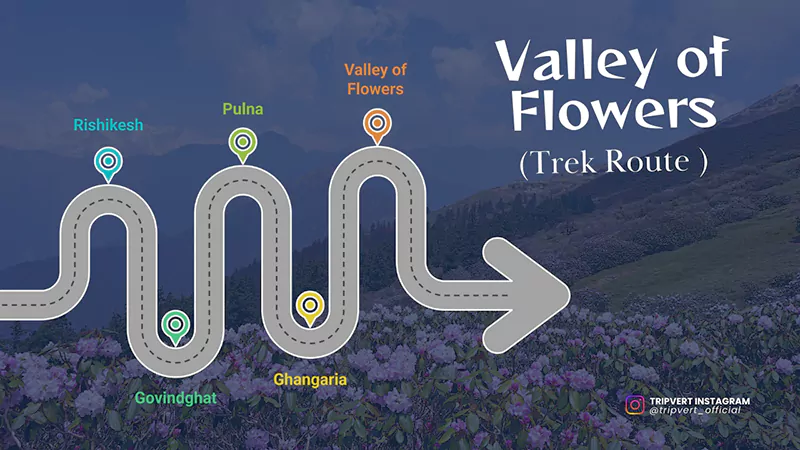
Pack your bags and follow this route to cover the Valley of Flowers trek distance easily:
Rishikesh –> Govindghat –> Pulna –> Ghangaria –> Valley of Flowers
If you are planning to travel economically, here’s a quick, affordable itinerary under a budget of 6,000-7,000 for you:
DAY 1: From Rishikesh to Govindghat (261km)
DAY2: From Govindghat to Ghangaria (14-15km)
DAY 3: The Ultimate Destination- Valley of Flowers
Day 4: Visit the Hemkund Sahib and Back
Day 5: The Journey Back
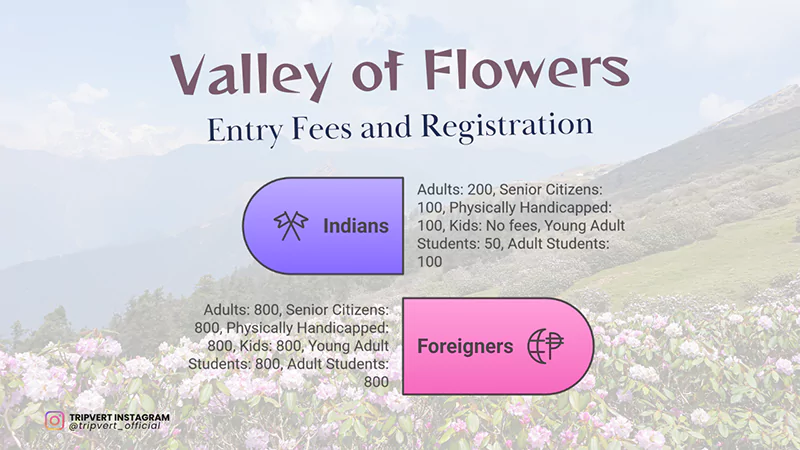
People who are planning to visit the Valley of Flowers, Indians and Foreigners, need a mandatory online permit first, obtained at the entrance of the base camp, Ghangharia, to get the entry. The permit is valid for only 1 day.
The Valley of Flowers national park tickets are usually Rs. 200 for an Indian citizen and Rs. 800 for a foreigner. Here’s the complete bifurcation of the online permit fees:
| Type | Adults | Senior Citizens | Physically Handicapped | Kids (0-12 years) | Young Adult Students | Adult Students (18+) |
| For Indians | 200 | 100 | 100 | No fees | 50 | 100 |
| For Foreigners | 800 | 800 | 800 | 800 | 800 | 800 |
You can obtain the online permit by visiting the Valley of Flowers official website.
Here are some essential documents that you cannot miss carrying:
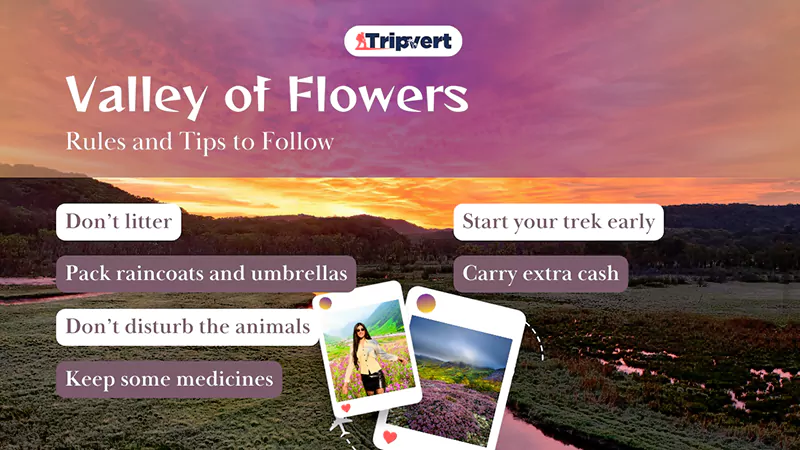
There are some basic rules and tips that everybody must follow to be a responsible citizen. These will help you make your entire trip seamless.
Here are some rules and tips:
When I visited the Valley of Flowers, I was so mesmerised by the beauty of Uttarakhand that I decided to see some other places, all of which are so incredibly beautiful that you must visit them. Check these locations out:
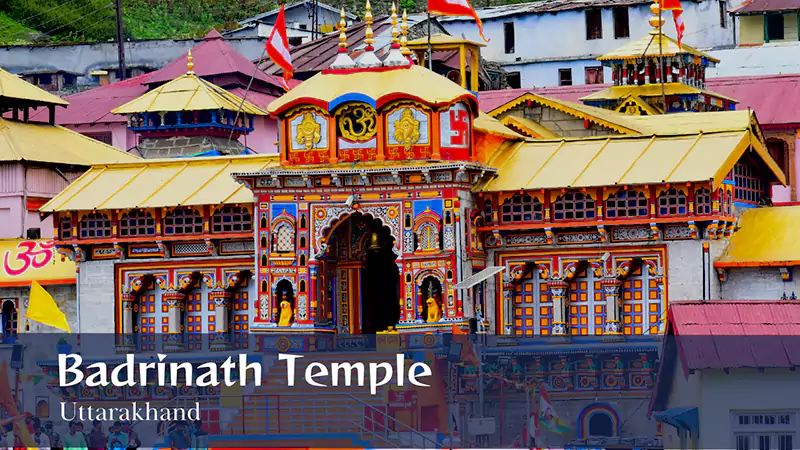
If you want to slow down and cultivate gratitude towards life, visit the Badrinath Temple. It is one of the four sacred pilgrimage sites known as CharDham. Set amidst the magnificent Himalayas, the temple is dedicated to Lord Vishnu.
Trust me, the power of god and their divine blessings will bring you back to this place again and again. The town of Badrinath has several ashrams where you can book your comfortable stay.
Open Days: Opens seasonally (Late April/ Early May to October/November)
Timings: 4:30 am to 1:00 pm and 4:00 pm to 9:00 pm
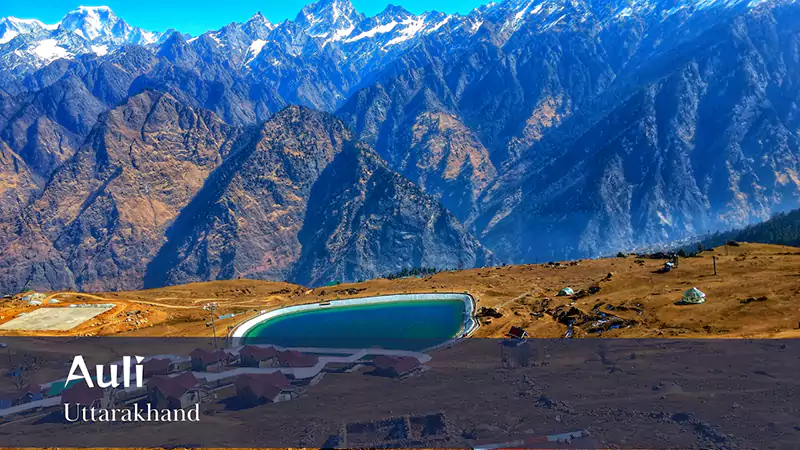
Auli is another majestic point you can visit while planning your trip to the Valley of Flowers. Known for its thrilling adventure activities, Auli offers you adventure sports such as paragliding for some extra thrill in your life.
I experienced paragliding there, and the adventure was one of a kind. Make sure you don’t miss this opportunity because what’s life without some thrill?
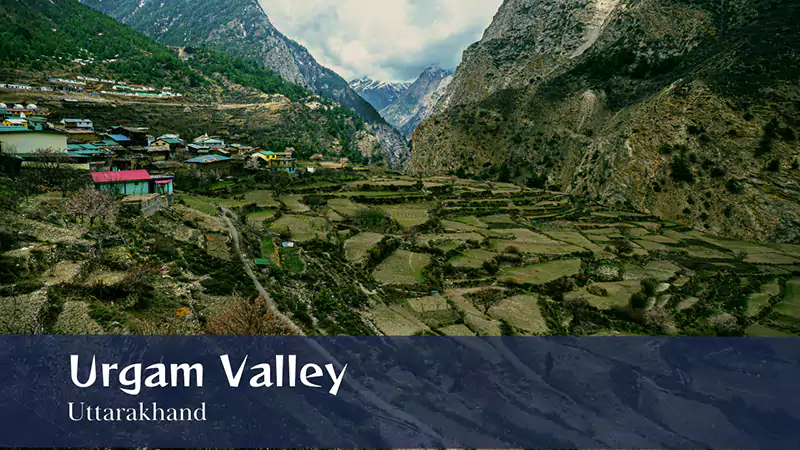
Do you want to know a secret? Well, the place, Urgam Valley, is a secret in itself, an untouched beauty. Unlike all other commercialised places, Urgam Valley is still a hidden gem.
The place offers authentic Himalayan culture, people deeply rooted in their culture, living an ordinary village life and sustaining their livelihood on farming. It felt surreal when I camped in the valley. I’m sure it will be your go-to digital-detox place.
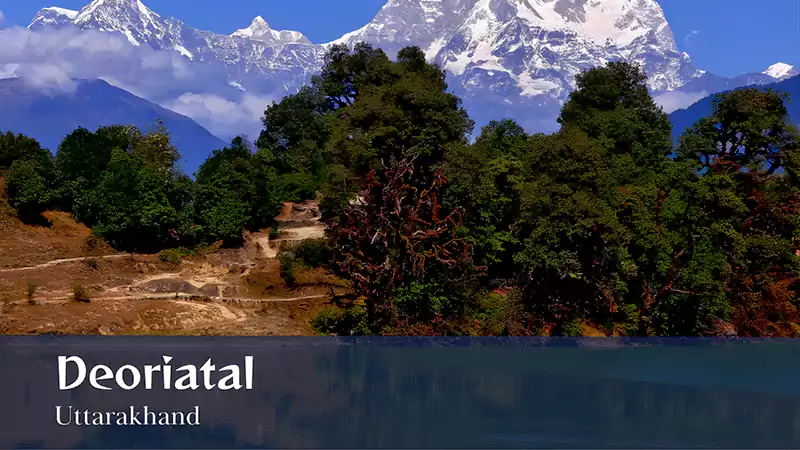
I don’t see birds around anywhere now, especially in metropolitan cities. Do you see them? Well, if you are an avid birdwatcher like me, Deoriatal is a place for you. If you’re not, don’t worry, Deoriatal has many things to offer you as well.
The region is imbued with birdlife. You’ll have a cheerful company of birds while you trek. Apart from birdwatching, you can immerse yourself in the vibrant colours of flowers that bloom there. This place has it all!
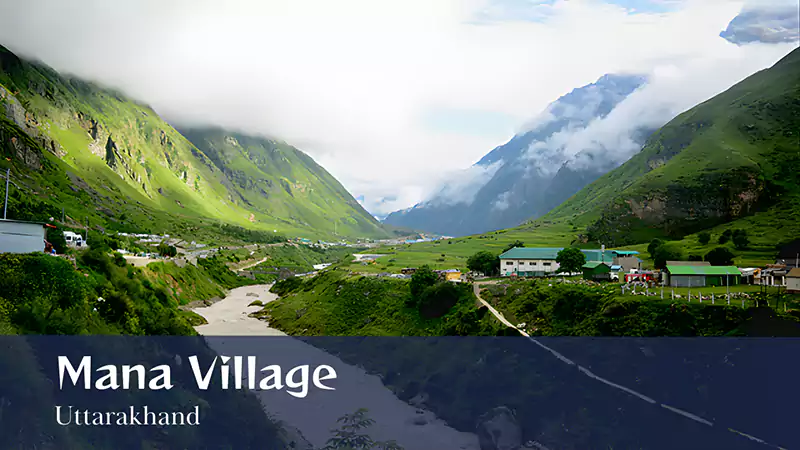
I had this curiosity about visiting the last village of India when I got to know about it. When I went there, it was nothing less than a majestic location. The place carries mythological references, as the Pandavas began their journey to heaven from Mana Village.
It is surrounded by multiple points of attraction, which include Vasundhara Falls, Mata Murti Temple and glaciers.
Read More: Jibhi Himachal Pradesh | Best Places to Visit & Travel Guide
Do I need to say more? Pack your bags, book your tickets and immerse yourself in the heaven-like experience. It might sound cliché, but after all, you only live once.
The place has multiple things to offer, from adventure sports to religious shrines, from the beauty of fauna and flora to amazing water bodies.
Enjoy every bit of your experience. I made some of my best memories here. I’m sure the place will give you memories of your life!
Yes, an online or an offline permit (obtained from Govindghat) is required before entering the Valley of Flowers. A person belonging to Indian Nationality will have to pay a nominal charge of 200 Rs, and a foreigner is required to pay 800rs.
The trek is about 38 km long and can be covered in 4–6 days. Ghangharia is the base camp for exploring the valley.
Yes, senior citizens can complete the trek, but it requires good physical health and a treadmill test to make sure that an individual is fit. However, helicopters and ponies are available in case of an emergency or difficult situation.
No, drones are strictly prohibited inside the valley. You can use personal phones, cameras and binoculars. However, there can be potential charges for professional camera usage.
The entry time in the valley is from 7:00 am to 2:00 pm. The visitors are required to make an exit by 5:00 pm. The valley operates seasonally from June to October.
The number of days usually accounts for 5-6, as it includes trekking and a lot of travel.

Welcome to Tripvert, your best travel companion. Here, you will find real travel stories, tips, and guides that will help you explore the world with a different approach.