Delta Flight DL275 Diverted LAX: Everything You Need To Know About this Flight
|
Published: March 24, 2026
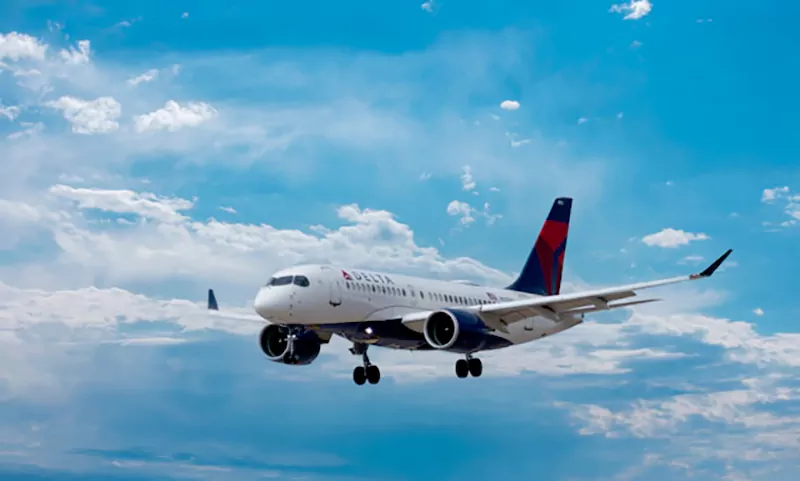
A particular event involving a Delta Flight DL275 Diverted LAX, has become a hot topic for discussion. One of the Delta flights, traveling from Detroit Metropolitan Airport (DTW) to Tokyo Haneda Airport (HND), took an unexpected turn to Los Angeles International Airport (LAX) due to a disruption in the aircraft’s anti-ice system.
However, this was just an alarm for a safety precaution, requiring urgent attention. Crew members optimally decided to divert the flight to LAX, ensuring passengers’ safety.
Here’s everything you need to know about this incident:
Delta Airlines operates DL275, which is a long-haul connecting flight between the United States and Japan. To better understand the DL275 diverted LAX, it is important to know the key features of DL275, like its original route, and the plan of this International Airline service.
Here are key details about the Delta DL275:
| Departure Point | Detroit Metropolitan Airport (DTW) |
| Actual Destination | Tokyo Haneda Airport (HND) |
| Diverted Point | Los Angeles International Airport |
| Operator | Delta Air Lines |
| Flight Duration | Approximately 13 hours |
| Reason for Diversion | Cockpit warning against the anti-ice system |
| Casualties | No casualties |
Crew members received timely cockpit warnings about the aircraft’s anti-ice system. However, it did not mean the flight or its passengers were in danger; it simply indicated an issue requiring immediate attention.
Disruption in the aircraft’s anti-ice system was the sole reason for the diversion, leading to ice formation in the engine and other components. To better understand the cause of diversion, it is important to know about the anti-ice system.
Anti-Ice System
When flying at very high altitudes, the temperature of the aircraft reaches below the freezing point, leading to ice buildups around certain parts of the aircraft.
Since Delta DL275 was flying over the Pacific region, it had high chances of ice formation around the engine and other components. This is simply the reason why an anti-ice system is developed in the aircraft to prevent ice buildup and heat the components, which are at risk of ice blockage.
In case of a disruption in the anti-ice system, there’s a potential risk of:
In such a case, a timely cockpit warning is provided to the crew members, requiring the pilots to take immediate precautionary action.
Generally, diverting the flight towards a major airport with maintenance facilities is an optimal option.
Certain factors like distance, maintenance, weather, and more are taken into consideration while selecting a diversion point. In this case, Los Angeles was the best-suited destination for diversion.
Here are some reasons why Los Angeles was chosen as a diversion point after Delta DL275 diverted LAX:
Los Angeles International Airport (LAX) met all the required standards of a diversion point, and hence, it was an optimal choice for a safe landing.
Being patient and professional was the best way to handle the situation, and this is exactly what the crew did. The attendants and crew kept everyone well-informed, calming the panic among passengers.
They followed the standard airline procedure during the time of the emergency:
- Identified the technical issue.
- Report the air traffic control and airline operations.
- Analyze the potential threat if the journey continued.
- Selected a diversion point that fulfilled every criterion.
- Informed passengers about the diversion.
With great teamwork, coordination, and professionalism, the crew made a safe landing with all the passengers during the unexpected obstacle. Passengers were adequately provided with logistical support and compensation.
Even though passengers were safe, there was a sudden wave of panic and anxiety among the travelers due to disruptive turbulence. They describe their experience as extremely scary and surprising. However, the crew managed the situation well.
Here are some common experiences that passengers may have faced during turbulence:
However, the flight attendants and crew kept everybody informed and offered reassurance during the turbulent period. The passengers were also given adequate logistical support, such as hotels, transport, rebooking facilities, and more. ‘
Read More: The Solo Traveler’s Guide to Staying Safe in Unfamiliar Cities
In case of a diversion, the flight passengers are provided with the necessary logistical support, such as transportation and accommodation, by the airline.
The travelers are entitled to:
- Free rebooking on the next available flight.
- Nearby overnight accommodations.
- Luggage support by the airline support desks.
- Vouchers for meals and other assistance.
- Compensation under certain rules.
By providing the basic support, the airline helped passengers to move forward with their journey with minimal hassle.
Modern Aviation is equipped with all sorts of services, from predictive AI mechanisms to communication technologies.
Here are technologies that support mid-air decision-making:
- Satellite communication (SATCOM) with the ground-support team.
- Real-time monitoring via Enhanced Flight Vision System (EFVS) and moving maps.
- GPS navigation for accurate rerouting.
- Airborne Weather Radar (AWR) for monitoring weather.
Although flight deviations are quite common, it is important to know the safety precautions and how to stay calm during turbulence.
Here are some safety precautions that passengers should take during an emergency:
This dramatic incident shows how the aviation industry works effectively to ensure safety. It offers various lessons that travelers should keep in mind while taking a flight.
Here are some useful lessons that this incident teaches us all:
Also Read: Best Places to Visit in the USA | Top U.S. Destinations 2025
The entire incident highlights that emergencies and turbulent situations are quite inevitable in the aviation industry. However, what matters the most is how professionally and seamlessly these situations are handled.
During turbulent situations, it is mandatory to keep calm and obey the instructions as the crew works hard for the passengers’ safety and security. Smart decisions, precautionary actions, and teamwork together help avoid the bigger tragedies that might take place.
Yes, all the passengers landed safely at the Los Angeles International Airport (LAX), and there were no casualties.
Disruption in the aircraft’s anti-ice system was the main reason for Delta DL275 diverted LAX. There was a high risk of ice buildup in the engine and other components of the aircraft; consequently, it was made to land safely at the nearest airport with maintenance facilities.
Considering the required criteria, such as flight proximity, weather, maintenance facilities, and more, LAX was best-suited to land safely during the emergency.
Yes, airlines are usually responsible for providing the basic facilities like nearby accommodation, transport, meals, etc, so that passengers can carry forward with their journey with minimal hassle.
No, it is not a case of an emergency landing; it is a safety precaution taken by the pilots to avoid any casualties and accidents.

Welcome to Tripvert, your best travel companion. Here, you will find real travel stories, tips, and guides that will help you explore the world with a different approach.