What Beginners Should Know Before Kayaking on the Shenandoah River
|
|
Published: April 20, 2026
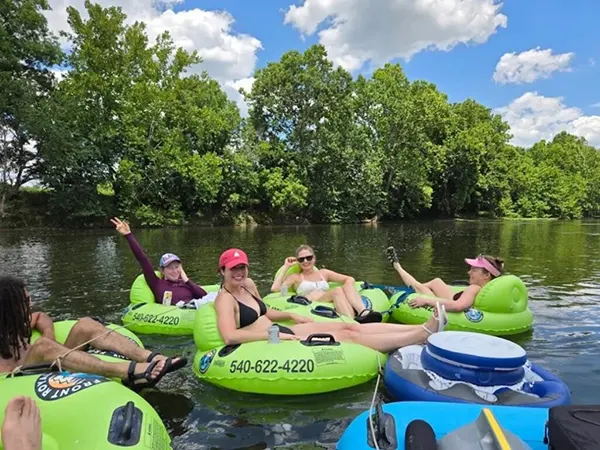
Beginners need to be aware of river conditions and section types, the right equipment to bring, safety guidelines, and weather conditions before commencing a kayaking trip on the Shenandoah River.
The Shenandoah River flows more than 286 miles through the Shenandoah Valley in Virginia and West Virginia to its point of entry into the Potomac River at Harpers Ferry. The Shenandoah River is characterized by clear water, a limestone riverbed, and multiple launch sites with good access.
If you are planning your first trip to kayak on the Shenandoah River kayaking trip, knowing what to expect prior to starting out could significantly impact your experience.
KEY TAKEAWAYS
- The Shenandoah River has sections suited for beginners, especially along the South Fork
- Always check water levels before launching, as conditions change after rainfall
- A properly fitted PFD is non-negotiable for every paddler, regardless of skill level
- Packing the right gear, including dry bags and water shoes, improves both safety and comfort
Not every part of the Shenandoah River is created equal. There are some flat, slow areas which would be great for new paddlers, while there are also Class I & II rapids that will require more paddling control. Knowing which section you are paddling will help you prepare properly for your trip.
The South Fork is generally calmer and better suited for first-timers. The North Fork has a few more technical sections that can catch beginners off guard. Always check current water levels before heading out, as rain can change conditions quickly.
Choosing the correct gear and packing it appropriately is essential to any kayaking excursion. A lot of first-timers do not pack enough gear or do not bring the right gear, which can quickly turn a fun day on the water into a frustrating day on the water.
Here is what you should bring:
Having the right footwear is also important. Strapped sandals/water shoes are much more suitable than flip flops when you are in fast-moving water because of the chance of them coming off your feet.
The safety of a kayaker starts well before setting foot in the kayak. New kayakers should take a quick paddling class or watch some instructional videos prior to their first trip down the Shenandoah.
Capsize happens to many first-time kayakers more than you would think, and knowing what to do before you capsize will help you to not panic after you capsize. If you flip, stay calm, keep hold of your paddle, and let your PFD do its job. Float on your back with your feet pointed downstream to protect yourself from rocks.
Learning to read the river helps you avoid trouble before it happens. Learn how to read basic river features like V-shapes and hydraulics before your first trip, as they usually indicate the best route possible through a rapid.
Avoid large standing waves and hydraulics, which are the circular currents that form below drops and can trap a kayaker.
Most sections of the Shenandoah River are open to the public and do not require a permit for recreational kayaking. You must check where you are launching your kayak, as some of the land along the river is privately owned, and you could be trespassing on private property.
Popular put-in spots include Bentonville, Front Royal, and several state park access points along the South Fork. Some areas will charge you for parking. Checking with local outfitters before your trip can help you find the best access points for your skill level.
Timing your paddle makes a real difference in what you experience on the water. Because of snow melt and rain, the kayaking trips on the Shenandoah River during spring are often higher and faster than during other times of the year. Summer offers the most stable conditions and is the most popular time for beginners to go.
Fall brings cooler temperatures and beautiful foliage along the banks, but water levels can drop significantly by October. While it is possible to kayak in the winter, it is not recommended for beginner paddlers due to the cold water hazards and limited rescue resources that could be made available in the area.
Yes, especially the South Fork during the summer months when water levels are moderate. Most outfitters allow children ages 5 and up.
Most beginner trips are between 5 and 7 miles, which takes roughly 3 to 4 hours of paddling at a relaxed pace.
No, there are dozens of outfitters in Front Royal, Luray, and Shenandoah that provide rentals, PFDs, and shuttle services.
Yes, but you must have a valid Virginia or West Virginia freshwater fishing license, which can be purchased digitally in 2026.
Reaching the South Pole starts with a different question from booking an Antarctic cruise: how much time do you want…

Planning a safari in 2026 is a great way to experience stunning scenery and world-famous wildlife in Tanzania. Although Tanzania…

Some journeys begin where normal travel infrastructure ends. There are no train stations at the South Pole, no highways across…

Albania’s best souvenirs aren’t objects. They’re meals, conversations and invitations to stay a little longer. Here’s how to travel the…

Most South Africa itineraries center on Kruger and Cape Town, and both deserve the attention, but neither is necessarily the…

Whitefish, Montana pulls families in for the same reasons it hooks skiers, hikers, and lake-day dreamers: Glacier National Park on…

Welcome to Tripvert, your best travel companion. Here, you will find real travel stories, tips, and guides that will help you explore the world with a different approach.