Why Choosing a Private Fishing Charter Is the Best Choice for Backcountry Fishing in Islamorada
|
Published: April 20, 2026
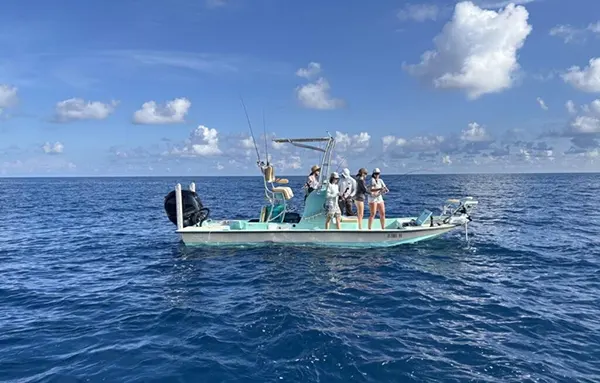
Located in the upper Florida Keys, Islamorada is widely known as the “Sportfishing capital of the world”, a title earned through its unique geography where the Atlantic Ocean meets Florida Bay, offering a rare ecosystem that creates a network that supports year-round fishing for countless species.
To truly make the most of these waters, many anglers turn to Islamorada fishing charters and their private charters, where experienced captains navigate hidden routes and adapt the trip based on the weather and tides.
This article explores what makes private fishing charters the ideal choice for backcountry fishing in Islamorada.
Key Takeaways
- Backcountry fishing in Islamorada requires local knowledge and careful navigation.
- Private charters give you full control over pace, location, and species focus.
- Tides and structure are critical factors in backcountry fish behavior.
- A private captain focuses entirely on your group, improving results.
Backcountry fishing in Islamorada takes place in shallow, protected waters away from the open ocean. These areas hold species like bonefish, tarpon, redfish, snook, and permit.
The tricky terrain requires skill and solid local knowledge to navigate with ease. Grass flats, oyster bars, and narrow cuts are difficult to read without experience. A knowledgeable captain helps you locate marine life and avoid wasted time.
Local knowledge plays a major role in backcountry success. Fish behavior changes with tides, seasons, and weather. A captain who fishes these waters daily understands those patterns far better than any map.
The backcountry is shaped by tidal movement, with fish feeding along edges, points, and drop-offs at specific times, and knowing where to be and when makes a significant difference.
Fun Fact
The area is world-renowned for having one of the highest concentrations of recreational fishing charter boats, including offshore, fly, and backcountry fishing.
Choosing between a private and shared charter comes down to priorities. Here is how the two options differ in practice.
| Private Charter | Shared Charter |
| Full control over location, species, and schedule | Fixed route shared with other anglers |
| The captain focuses entirely on your group | Time and attention are split among all passengers |
| Better for beginners who need more instruction | Lower upfront cost, but less personalized |
The short-term cost of a private charter is higher. The long-term value comes from more fish, better learning, and a trip built around your goals.

Getting the most from your trip starts well before you step on the boat.
Backcountry fishing demands quiet movement, accurate casting, and constant repositions. These things prove to be quite tough when in a shared boat with strangers.
On a private charter, the captain can use a push pole or trolling motor to silently approach fish. Every decision made on the water is made with your group in mind. This focused attention is exactly what makes Islamorada fishing charters so effective for serious anglers.
A minor inconvenience like paying more up front becomes a major advantage when standing 20 feet from a tailing bonefish. That moment rarely comes on a crowded shared trip.
Ans: Islamorada is home to species like bonefish, tarpon, redfish, snook, and permit.
Ans: The terrain of Islamorada can be a bit tricky, and the usual paths often have too many visitors already searching for the fish. Captains with local knowledge help find alternate and hidden pathways that have more density of fish and fewer outsiders.
Ans: A private charter provides full control over location, species, and schedule. It is also beneficial for beginners who require instruction, with captains focusing on the entire group.
Ans: It is vital to know about the tidal movement that shapes the backcountry, as it allows knowledge of fish-feeding locations and key points where the density is higher.
Reaching the South Pole starts with a different question from booking an Antarctic cruise: how much time do you want…
Planning a safari in 2026 is a great way to experience stunning scenery and world-famous wildlife in Tanzania. Although Tanzania…
Some journeys begin where normal travel infrastructure ends. There are no train stations at the South Pole, no highways across…
Albania’s best souvenirs aren’t objects. They’re meals, conversations and invitations to stay a little longer. Here’s how to travel the…
Most South Africa itineraries center on Kruger and Cape Town, and both deserve the attention, but neither is necessarily the…
Whitefish, Montana pulls families in for the same reasons it hooks skiers, hikers, and lake-day dreamers: Glacier National Park on…

Welcome to Tripvert, your best travel companion. Here, you will find real travel stories, tips, and guides that will help you explore the world with a different approach.