11 Luxury Destinations in the USA for Travelers Who Value Experience Over Status
|
|
Published: April 29, 2026
Luxury destinations in the USA have shifted away from gilded lobbies and brand-name dining toward something quieter and harder to manufacture. The travelers driving this change want privacy, craft, and stories worth telling later. They book ranches over resorts, coastal hideaways over conference hotels, and small-town inns with a single chef who knows their name by the second morning.
What follows is a list of ten places where the experience does the talking. None of them rely on logos or lobby chandeliers to signal value, and most reward travelers who arrive curious rather than impressed.
Big Sur remains the gold standard for travelers who measure luxury in silence and scale. Cliffside properties like Post Ranch Inn and Ventana sit on land that predates any concept of hospitality, and the rooms feel built for the view rather than the brochure.
Drive Highway 1 slowly. Stop at Bixby Bridge before sunrise, eat at Nepenthe when the fog lifts, and book a guided hike through the redwoods rather than the spa package. The point of Big Sur is that the place is the amenity.
Skip the December rush. Aspen in late September delivers gold aspens, half-empty trails, and restaurants where you can actually get a table at Element 47 without a three-week reservation.
The town’s better hotels, including The Little Nell and Hotel Jerome, drop rates significantly between ski seasons while the experience improves. Local outfitters lead small-group fly-fishing trips on the Frying Pan River, and the Maroon Bells look better in fall foliage than under fresh snow anyway.
Western Massachusetts attracts travelers who want art, food, and quiet within a three-hour drive of Manhattan or Boston. Mass MoCA in North Adams runs exhibitions that rival anything in a major city, while Tanglewood draws Boston Symphony performances all summer.
Stay at Blantyre or Wheatleigh for the historic estate experience, or rent a private home for a long weekend. Platforms offering elevated short-term stays have changed how groups travel here, and reliable operators like Mint House, Stay One and Rove handle the kind of multi-bedroom properties that work better than booking adjacent hotel rooms.
Sedona earns its place because the landscape genuinely shifts how people feel by day three. Red rock formations surround the town in a way photos never capture, and the better resorts sit far enough from the main strip to avoid crowds.
L’Auberge de Sedona puts cabins along Oak Creek with private decks that face the water. Enchantment Resort books Boynton Canyon access for guests, and the on-site Mii Amo spa runs week-long programs built around the surrounding terrain rather than generic wellness templates.
Charleston rewards travelers who appreciate craft over scale. The historic district holds restaurants where chefs source from Lowcountry farms by name, and properties like Zero George and The Vendue feel like staying in a private home with staff who remember your coffee order.
Book a private oyster roast on a barrier island, take a single-day fishing charter out of Shem Creek, and eat at Husk and FIG at least once between them. The city is small enough to walk, which itself is rare in American travel.
The stretch of coastline along Scenic Highway 30A in the Florida Panhandle has become the quiet alternative to the state’s better-known beach towns. Communities like Alys Beach, Rosemary Beach, and Seaside hold tightly planned architecture, sugar-white sand, and a pace that feels closer to a European coastal village than typical Gulf Coast development.
Rent a private home rather than booking a hotel here, since the area was built around residential design rather than resort scale. Most of the standout properties sit a block or two off the beach in Alys or Rosemary, and the trade-off between beachfront access and architectural character is part of what makes choosing between luxury rentals in Florida more interesting than the usual hotel comparison. Spent mornings at the Seaside farmers market, afternoons biking the Timpoochee Trail, and evenings at Bud and Alley’s watching the sun drop into the Gulf.
Few luxury destinations in the USA feel as unmediated as the country surrounding Glacier. The Resort at Paws Up sits on a 37,000-acre working ranch outside Greenough and runs glamping camps with private chefs, butler service, and access to whitewater on the Blackfoot River.
Going-to-the-Sun Road delivers the kind of drive most people only see in nature documentaries. Book a guided hike with a naturalist rather than self-touring, since the wildlife corridors shift weekly and a guide reads the terrain in ways guests cannot.
Napa works best Tuesday through Thursday when wineries actually have time for visitors. Single-vineyard producers like Promontory and Harlan Estate require introductions, but reachable estates like Stag’s Leap and Cakebread offer private tastings that feel less rehearsed mid-week.
Stay at Meadowood Napa Valley or Auberge du Soleil for properties that treat the valley as a setting rather than a backdrop. Private chef dinners arranged through the hotel concierge usually outperform restaurant reservations, especially during harvest.
Kiawah delivers privacy without remoteness. The Sanctuary Hotel anchors the island, but the better experience involves renting one of the oceanfront homes available through the resort’s private program. Beaches stretch ten miles with almost no commercial development.
The Ocean Course at Kiawah hosts professional tournaments and remains playable for guests. Beyond golf, naturalist-led kayak tours through the salt marshes reveal a coastal ecosystem most visitors miss entirely.
The Hudson Valley has quietly become one of the most interesting weekend destinations on the East Coast. Towns like Hudson, Tivoli, and Rhinebeck hold restaurants, antique stores, and small inns that rival anything in Brooklyn at half the density.
Properties like Troutbeck in Amenia and Wildflower Farms in Gardiner blend historic architecture with modern programming. Hike the Mohonk Preserve, eat at Gaskins or Le Petit Bistro, and visit Storm King Art Center for outdoor sculpture that genuinely changes how a day feels.
Most travelers stay along Wailea or Ka’anapali, but the upcountry region around Makawao and Kula offers a Maui most visitors never see. Working ranches, small farms, and family-run inns sit along Haleakala’s slopes with cooler temperatures and almost no traffic.
Lumeria Maui in Makawao runs wellness programming built around the surrounding agricultural community, and Hana itself remains one of the few places in the United States where the drive in matters as much as the destination. Book the road to Hana with an overnight at Travaasa rather than as a single-day trip.
The travelers who get the most from these destinations share a few habits. They book longer stays in fewer places, prioritize local operators over chain concierge services, and treat the trip itself as the souvenir rather than collecting items along the way.
A growing number of travelers are starting to document stories from older relatives during trips—sometimes using simple recording tools or services similar to Remento, especially when the destination connects to family history. What they capture tends to matter more than photos, because it preserves voice, emotion, and personality.
For travelers planning trips around grief or loss, several airlines still honor bereavement flights for last-minute travel, though the discounts have narrowed in recent years. Calling the airline directly almost always produces better results than searching online, especially for international itineraries or unaccompanied minors.
The pattern across the list is simple. Each place rewards travelers who arrive without a checklist. The luxury sits in unstructured time, in conversations with people who actually live in the area, and in meals that take longer than they should. None of these destinations are secret, but the version of each that earns the trip requires slowing down enough to find it.
Status-driven travel produces predictable photos. Experience-driven travel produces stories that hold up years later, and the destinations on this list reward the latter every time.

Ivy Joy
Helping to build Mazurly from the ground up, managing content, operations, digital communication, everything from resource development and customer relationships to strategic partnerships and platform growth.
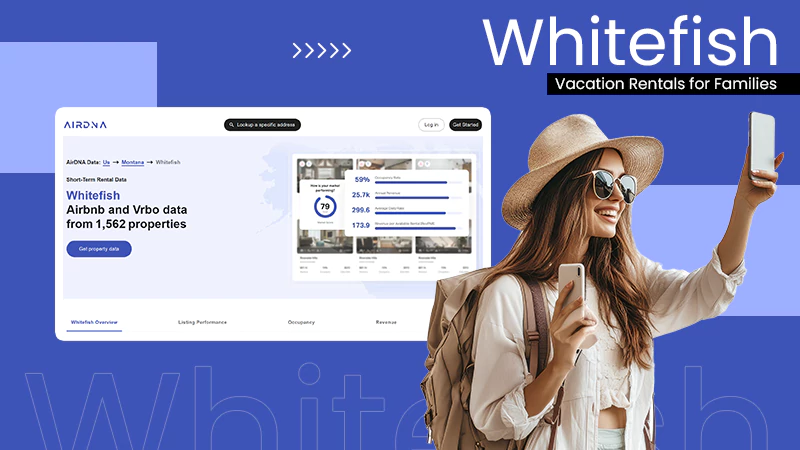
Whitefish, Montana pulls families in for the same reasons it hooks skiers, hikers, and lake-day dreamers: Glacier National Park on…
Located in the upper Florida Keys, Islamorada is widely known as the “Sportfishing capital of the world”, a title earned…

Australia is one of the most rewarding places in the world to call home. With so many desirable features in…

Beginners need to be aware of river conditions and section types, the right equipment to bring, safety guidelines, and weather…
If there were cities known mainly for weekly crowds, they ought to be Dallas, Houston, Austin and San Antonio in…

You can have an outstanding time traveling, regardless of how good your personal style is. Are you traveling for work,…

Welcome to Tripvert, your best travel companion. Here, you will find real travel stories, tips, and guides that will help you explore the world with a different approach.