7 Days Annapurna Base Camp Trek: Landscapes, People, Culture, and the Meaning of the Journey
|
|
Published: September 30, 2026
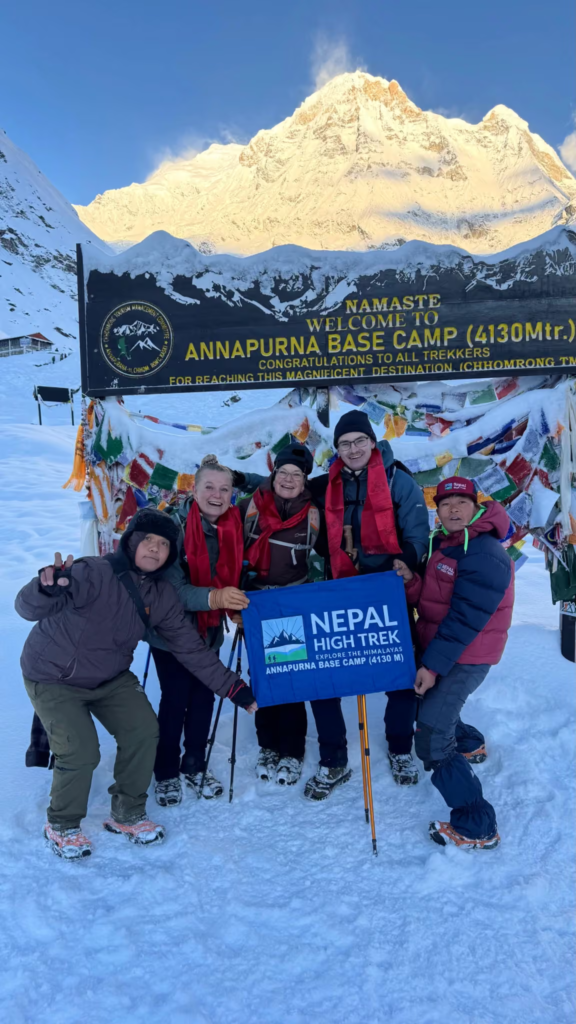
Most people compare Nepal’s big trekking routes the way they’d compare flights — by duration, by difficulty, by which one gets you the better mountain photo. That’s a fair starting point, but it misses what actually separates these journeys once you’re on the trail. The difference isn’t just how far you walk or how high you climb. It’s what you pass through, who you meet, and how the land itself keeps shifting under your boots. A 7 Days Annapurna Base Camp Trek pulls you from warm, terraced hillsides into a stone amphitheater of ice and rock in less time than it takes some travelers to get over jet lag. The Manaslu Circuit Trek and the Annapurna Circuit Trek tell longer, slower stories, with their own cultural rhythms and geography. This piece isn’t about logistics, packing lists, or permit offices. It’s about what these three routes actually feel like — the ground, the people, the history sitting quietly under your feet — and why that matters more than which one has the highest pass.
What makes this trek work in such a short window is how compressed the transformation is. You start among cultivated hillsides — mustard fields, terraced rice paddies, stone farmhouses with tin roofs catching the morning light — and within a couple of days you’re walking under rhododendron canopies and bamboo forest, following the Modi Khola as it carves through the valley. Then the trees start thinning out. The trail narrows. And somewhere past Deurali, the whole world tilts upward and closes in around you: Annapurna South on one side, Hiunchuli on the other, Machapuchare’s fishtail summit standing guard at the entrance. By the time you reach Annapurna Base Camp itself, you’re not looking at a viewpoint anymore. You’re standing inside a bowl of ice, wrapped on every side by peaks over 7,000 meters. That’s the real distinction of the Annapurna Sanctuary — it doesn’t reveal itself gradually from a ridge line, it swallows you whole once you step inside.
Because the itinerary runs just seven days, the shifts in scenery and altitude happen fast, almost too fast to fully register at the moment. A longer trek gives you time to acclimatize to each zone before moving to the next. Here, forest gives way to alpine meadow and gives way to glacial basin in a matter of hours, which is part of why so many trekkers describe the ABC route as intense rather than leisurely — even though, on paper, it’s one of the shorter treks in the region.
The lower and middle sections of the trail run through villages that belong mostly to Gurung communities, along with other Himalayan groups who’ve farmed and herded here for generations. Ghandruk and Chhomrong are the two most visited, and it’s easy to see why — stone houses stacked on the hillside, prayer flags strung between rooftops, women carrying loads of fodder along paths that connect one farm to the next. What stands out isn’t some curated cultural performance for visitors. It’s the ordinary rhythm of village life continuing alongside the trekking traffic: buffalo being led to graze, kids walking to school along the same trail you’re using, tea houses that double as family homes. The mountains matter to these communities in a working sense, not just a scenic one — as grazing land, as water source, as the thing that shapes when crops get planted and when they don’t.
The core difference comes down to shape. ABC is a there-and-back journey toward a single, dramatic destination — a sanctuary you enter and then retreat from. A circuit trek, by contrast, keeps moving through new geography the entire time, rarely doubling back on itself. That structural difference changes how the trek feels day to day. On the ABC trail, the landscape narrows as you go, closing in around you until the peaks feel almost close enough to touch — Machapuchare in particular holds a kind of cultural weight for local communities that’s worth respecting rather than turning into folklore. A circuit, meanwhile, keeps opening up into new valleys and different worlds. If you’re weighing a 7 Days Annapurna Base Camp Trek against something longer, this is really the question to ask yourself: do you want a short, concentrated push toward one unforgettable place, or a longer unfolding story across several regions?
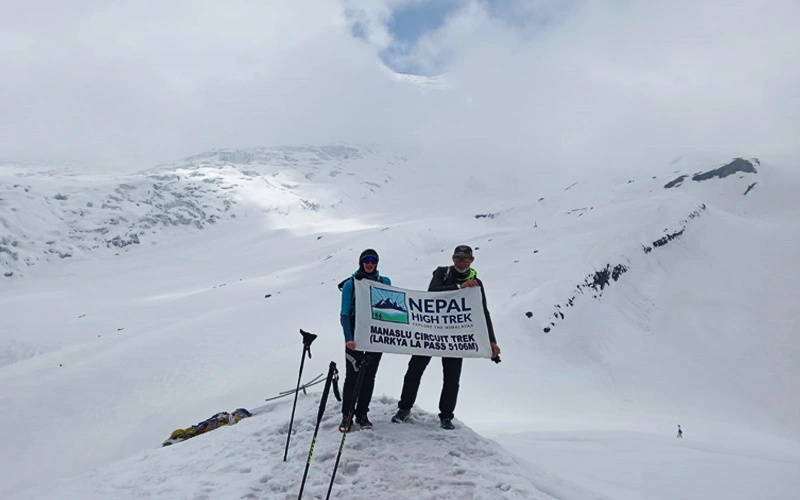
The Manaslu Circuit Trek follows the Budhi Gandaki river almost the entire way, and that valley dictates everything about the trek’s character. Lower down, it’s subtropical — banana trees, terraced fields, warm river air. As you climb, the valley narrows into gorges with suspension bridges strung high above the water, forest thinning into scrub, and eventually the terrain opens into the high, dry Himalayan zone near Samagaon and Samdo. It’s a gradual squeeze rather than a sudden reveal, and that slow build is part of what makes Manaslu feel different from ABC’s more concentrated drama.
Once you’re above Jagat, the cultural texture of the trek shifts noticeably. Tibetan Buddhist influence becomes the dominant thread — mani walls carved with prayer inscriptions, chortens marking trail junctions, monasteries tucked against hillsides, prayer flags strung across entire villages rather than just doorways. Samagaon in particular sits in the shadow of Manaslu itself, and the community there has built its life around that mountain for generations, not around trekking tourism. Further on, near Samdo and toward Larkya La, the landscape and culture both feel unmistakably close to the Tibetan plateau. None of this is staged for visitors — it’s simply how people here have organized their spiritual and daily lives for a very long time, and walking through it feels more like observing something ongoing than checking off a sight. For travelers comparing Nepal’s major routes, Manaslu tends to read as more culturally layered and more physically remote than the Annapurna Sanctuary, partly because fewer trekkers pass through and partly because the valley itself stays narrow and enclosed for so much longer.
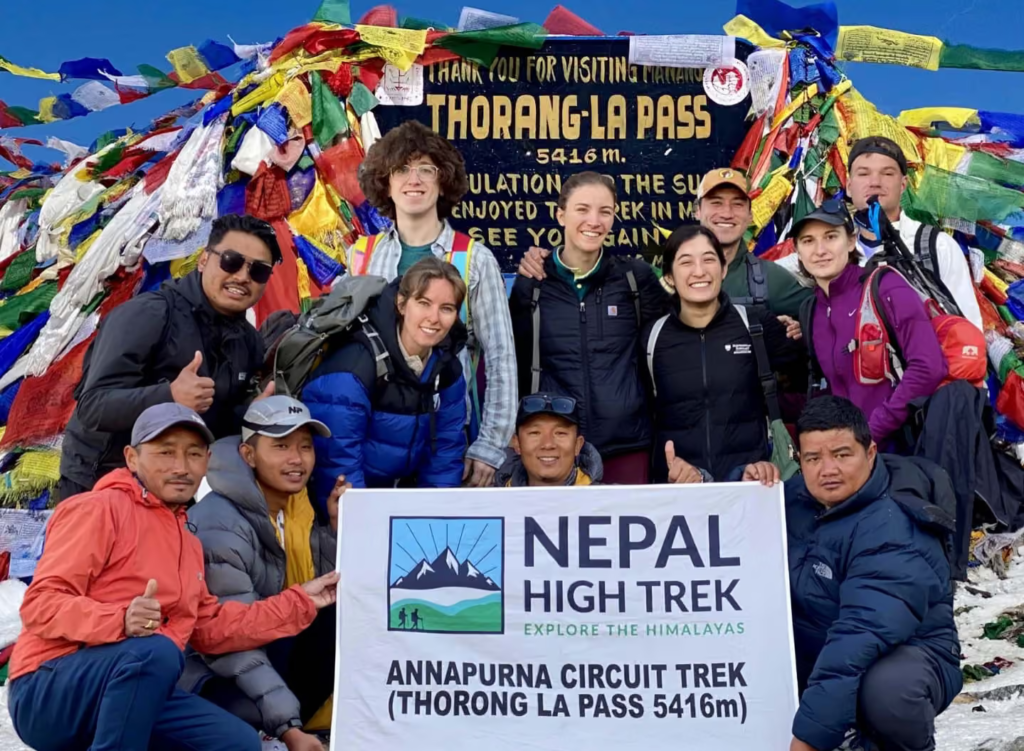
If Manaslu is defined by one river valley, the Annapurna Circuit Trek is defined by how many different environments it strings together. The trail follows the Marsyangdi River upward through forest and farmland before climbing into Manang’s high, dry basin — a landscape that looks almost lunar compared to the greenery lower down. From there, Thorong La marks the trek’s most dramatic transition: a high, exposed pass that drops you into the Kali Gandaki Valley and the arid, wind-scoured terrain around Muktinath. Few treks in the world compress this much ecological range into a single route — river valley, alpine forest, high desert, and back down into a completely different valley system, all within a couple of weeks.
The cultural shift across Thorong La is just as striking as the geographical one. Manang and the upper Mustang-adjacent areas carry strong Tibetan Buddhist influence — chortens, monasteries, stone architecture built for wind and cold. Cross the pass and descend toward the Kali Gandaki, and the settlement character changes again, shaped by different trade histories and a different relationship with the river below. Rather than visiting one culture or one landscape, the Annapurna Circuit moves you through several, one after another, which is why so many trekkers describe it less as reaching a destination and more as crossing an entire region.
| Trek | Core experience | Landscape character | Cultural experience | Journey feeling |
| 7 Days Annapurna Base Camp Trek | Reaching the sanctuary | Forests to high mountain basin | Gurung/Himalayan communities | Focused and immersive |
| Manaslu Circuit Trek | Crossing a remote Himalayan landscape | Deep valleys to high pass | Strong Tibetan-influenced culture | Remote and gradual |
| Annapurna Circuit Trek | Crossing a major Himalayan region | Multiple ecological zones | Highly varied communities | Expansive and constantly changing |
None of these is objectively “better” than the others. It really depends on what you’re after — a short, sharp journey into one dramatic mountain basin, a slower and more remote cultural immersion, or a long, shifting crossing through several distinct worlds in one trip.
Nepal’s mountain trails compress what would normally take a continent’s worth of latitude change into a few days of walking, purely because of how sharply elevation rises. Lower valleys hold subtropical and temperate forest, rich with rhododendron, oak, and bamboo. Climb higher and you hit alpine meadow, then increasingly sparse vegetation, until the ground near passes and base camps turns to rock, scree, and glacier. Rivers and snowmelt from these ranges aren’t just scenery — they’re the water source that entire valleys of farming communities depend on below. Protected zones like the Annapurna Conservation Area and Manaslu Conservation Area exist precisely because this ecological range is so fragile and so tightly bound to human settlement. Walking through it, you get a visible, physical lesson in how altitude reshapes both the natural world and the way people have chosen to live within it.
It’s easy to treat mountains as backdrop and forget the people who make the trek possible — porters carrying loads up trails they know better than any map, guides who’ve walked these routes hundreds of times, lodge owners and their families, farmers tending fields that have fed these valleys for generations. These trails were never built purely for recreation; they’ve long functioned as the connective tissue between villages, market towns, and monasteries. Moving through them respectfully — pausing at religious sites, asking before photographing people, listening more than assuming — matters more than most guidebooks admit. It’s also worth leaning on local knowledge rather than going it alone; companies with genuine on-the-ground experience, Nepal High Trek among them, tend to understand these communities and trails in a way that no amount of online research can replace.
These paths carry more history than most trekkers realize while they’re catching their breath on a switchback. Long before trekking tourism existed, these same river corridors and mountain passes served as trade routes, migration paths, and pilgrimage roads connecting communities across the Himalaya. Salt, grain, and goods moved along the Budhi Gandaki and Kali Gandaki valleys for centuries, and the monasteries and mani walls you pass in Manaslu or upper Mustang aren’t decoration — they’re markers of a much older network of movement and belief. You don’t need invented legends to appreciate that; the trail itself is the record.
Ask people what stuck with them after any of these treks, and it’s rarely the summit photo. It’s smaller things — the sound of a river you walked beside for two straight days, ducking into a quiet village at dusk when the light hits the stone houses just right, sharing a narrow bridge with a farmer moving his herd. The three treks leave different emotional imprints. ABC tends to build toward a single moment of arrival, a kind of concentrated payoff. Manaslu unfolds more slowly, leaving you with a sense of having witnessed a culture rather than passing through it. The Annapurna Circuit leaves you with the feeling of having crossed something vast, watching an entire region shift under your feet over the course of two weeks.
Judging these treks purely by altitude or the number of days on the itinerary misses most of what makes them worth doing. The 7 Days Annapurna Base Camp Trek offers a short, concentrated passage into one of the most dramatic mountain basins in the world. The Manaslu Circuit Trek reveals its story more slowly, through a deep valley and a culture that runs deeper the higher you climb. The Annapurna Circuit Trek shows just how much a single mountain region can change across two weeks of walking. In the end, the strongest memories rarely come from the summit photo — they come from actually understanding the place y
The destination matters, no question — but the changing forest, the villages along the way, and the slow narrowing of the valley into the Sanctuary make up a large part of what people actually remember. Arrival is the peak, not the whole story.
Manaslu is longer, more remote, and shaped by a single deep valley rather than a there-and-back sanctuary. Its cultural character, driven by strong Tibetan Buddhist influence in the upper villages, also runs noticeably deeper than what you’ll find on the ABC route.
It crosses multiple communities with genuinely different traditions and environmental adaptations — Buddhist highland culture around Manang, then a very different settlement pattern once you descend into the Kali Gandaki side.
The Annapurna Circuit stands out for crossing several distinct ecological zones in one route. ABC, by comparison, offers a more concentrated transformation rather than a broad sweep of different environments.
Because these trails connect living communities, not empty scenic corridors. The farms, monasteries, and homes you pass are part of an ongoing way of life, not a backdrop arranged for visitors.
Village architecture, the terracing patterns on hillsides, forest transitions as you climb, the rivers feeding the valleys below, religious sites along the trail, and how daily life visibly shifts with elevation.
Albania’s best souvenirs aren’t objects. They’re meals, conversations and invitations to stay a little longer. Here’s how to travel the…
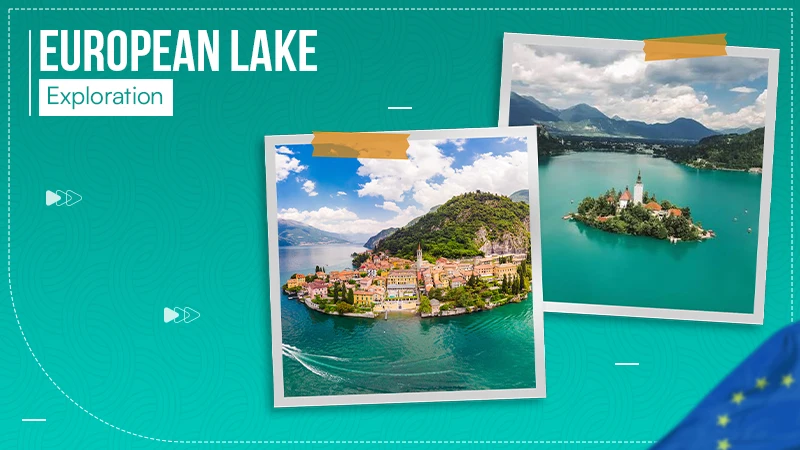
Europe is home to some of the most spectacular lakes in the world. From the dramatic mountains surrounding Lake Como…

Most South Africa itineraries center on Kruger and Cape Town, and both deserve the attention, but neither is necessarily the…

Whitefish, Montana pulls families in for the same reasons it hooks skiers, hikers, and lake-day dreamers: Glacier National Park on…

Luxury destinations in the USA have shifted away from gilded lobbies and brand-name dining toward something quieter and harder to…

Located in the upper Florida Keys, Islamorada is widely known as the “Sportfishing capital of the world”, a title earned…

Welcome to Tripvert, your best travel companion. Here, you will find real travel stories, tips, and guides that will help you explore the world with a different approach.