Himalayan Trekking Routes Explained: Everest Base Camp, Manaslu Circuit and Their Most Memorable Landscapes
|
Published: November 4, 2026
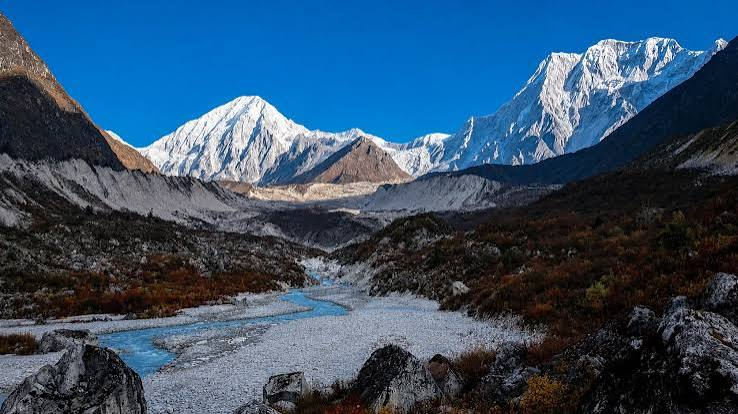
Ask several people why they want to trek in Nepal, and most will say “the mountains.” Fair enough. But the mountains are only half of what you’re choosing. The trail under your boots, the people you share it with, and the kind of teahouse you reach into at 4 p.m. matter just as much.
That’s where a couple of Nepal’s best-known routes pull apart. The Everest Base Camp Trek runs through the Khumbu, a well-worn valley with famous peaks, Sherpa towns and a steady stream of walkers. The Manaslu Circuit Trek revolves around the world’s eighth-highest mountain, through deep gorges, farming villages and a high pass, with far fewer people and much simpler facilities. One is the classic. The other is the peaceful alternative.
This guide walks through both, so you can work out which one actually suits you before you start booking anything.
Most people start with a short flight from Kathmandu to Lukla, a tiny airstrip cut into a hillside. In the busiest months, flights sometimes leave from Ramechhap instead, so confirm that with your operator. From Lukla you trek to Phakding, then climb hard to Namche Bazaar, the Sherpa trading town where nearly everyone spends a rest day. Further up come Tengboche, Dingboche, Lobuche and finally Gorakshep, the last ascent before the top.
Everest Base Camp sits at 5,364 metres. Kala Patthar, a rocky viewpoint above Gorakshep, reaches roughly 5,545 metres, and it’s the place where most trekkers get their clearest look at Everest itself. The altitude gain is gradual. You climb in steps, with acclimatisation days built in, instead of in one brutal push.
The scenery shifts more than people expect. Low down, the Dudh Koshi valley is pine and rhododendron forest, with long suspension bridges swinging over the river. Above Namche, Ama Dablam appears and usually follows you for days. Tengboche Monastery sits in a clearing with Everest, Lhotse and Nuptse lined up behind it. Past Dingboche, the trees disappear, and the land turns open, windy and bare.
Then the Khumbu Glacier takes over: grey, cracked and noisy. Base camp is tough and stark, not postcard-pretty, but you won’t forget it.
The Manaslu Circuit Trek is one of the top 5 trekking destinations in Nepal, and it usually begins around Machha Khola, reached by a long, bumpy drive from Kathmandu. From there, the trail follows the Budhi Gandaki River upstream through Jagat, Deng and Namrung, then climbs into Samagaun and Samdo, where the valley shows up, and the mountains press in. Samagaun sits at around 3,500 metres, and most groups stop there for an extra night to get used to it.
The big moment is Larkya La, a pass at about 5,106 metres. Once you’re over it, the trail drops steeply to Bimthang and carries on toward the Annapurna region, which is why the way is a true circuit instead of an out-and-back walk.
Manaslu begins low and green. You’ll squeeze through river gorges, pass waterfalls, and walk under forested hillsides before anything snowy shows up. Villages come with terraced fields, mani walls, and prayer flags, and the pace of life seems properly local.
As you gain height, Mount Manaslu itself comes into view, along with the peaks around it. The upper valleys are glacial and minimal, and the settlements up there are small and tough. Crossing Larkya La is the payoff: an early, cold start, a long day on rocky, icy ground, and a wide view from the top. Here’s what to know about the Manaslu Trek before booking anything.
Everest is the panorama route. Big, famous places keep turning up on the horizon, and the Khumbu Glacier is the larger, more dramatic ice scene of the two. Manaslu works differently. You get river valleys, forest and farmland first, then brilliant mountain terrain, with one huge peak anchoring the whole loop. Its glaciers feel more remote and less visited.
In the Khumbu, the story is Sherpa culture: monasteries like Tengboche, mountain towns, and a long history with trekking. Around Manaslu, the feel is more Tibetan-influenced, with traditional stone settlements, mani walls,s and Buddhist heritage that seems less shaped by trekking tourism.
The Everest region is well set up, with plenty of lodges, bakeries and busy trails, especially in peak season. Manaslu is a restricted area with compact trekking arrangements and fewer, simpler lodges. Expect quieter paths, fewer fellow trekkers, and a more general, more remote experience overall.
The Everest Base Camp Trek tops out at Kala Patthar, roughly 5,545 metres, and you sleep as high as Gorakshep. On the Manaslu Circuit Trek, the highest spot is Larkya La at about 5,106 metres, but the days are longer, the terrain is more remote, and help is further away if something goes wrong.
On either route, go up steadily and take the rest days seriously. Headache, nausea, dizziness, poor sleep, and no appetite are the usual warning signs. If symptoms get worse, don’t climb higher. Descend, and don’t talk to the mountain.
You need decent cardio, strong legs, and the stamina to walk for many days in a row. Hills, stairs,s and long weekend hikes with a loaded daypack are the best training, and break in your boots well before the trip. Past trekking experience helps, but it isn’t essential if you’ve built up your fitness and you’re logical about pacing.
Spring offers rhododendron forests in bloom, warmer days and good mountain visibility. Higher up, it can still turn cold and cloudy fast, so pack for changes.
Autumn is the favourite for a reason: clear weather, crisp air and clear views. It’s also the busiest period, so book flights and lodging early.
Winter means snow and bitter cold, and Larkya La can become hard or impossible to cross. The monsoon, roughly June to August, brings rain, muddy routes, and clouds that hide the peaks. The risks differ by region, too. Everest trekkers face flight delays at Lukla, while Manaslu’s road selection is more exposed to landslides.
The Everest route requires an entry permit for Sagarmatha National Park plus a local permit for the Khumbu area. Manaslu is stricter. You’ll need a Manaslu Conservation Area permit and a restricted-area permit, and since the trail ends in the Annapurna region, an Annapurna Conservation Area permit as well. Rules and fees change, so check the current requirements before you spend on anything.
Both routes run on teahouses: affordable rooms, shared bathrooms in many places, and plenty of dal bhat. Everest has more lodges and more choice, though prices climb with altitude. Manaslu’s lodges are fewer and plainer, and can be booked in peak season. Charging and wifi cost extra on both, and signal is patchy. Treat or purify your drinking water.
In the Everest region, several people trek independently or with a guide. Manaslu is different. The restricted-area rules have required trekkers to go through a registered agency with a licensed guide, and not to trek solo, so confirm the latest essentials early. Whichever route you pick, hire guides and porters through a licensed agency, and ask what gear and insurance they carry.
Choose Everest if you want the iconic mountain scenery, established villages and famous landmarks, and you don’t mind sharing the trail. Pick Manaslu if you’d rather have quiet, culture-rich settlements and a more varied, exposed landscape.
Then be honest about the practical stuff: how many days you have, your fitness, your trekking experience, your budget, and what you really enjoy walking through. If you’re stuck on dates, permits or itinerary details, a local operator like Glorious Himalaya can support you plan around them.
Everest delivers the popular views and a well-trodden trail. Manaslu delivers solitude, culture, and variety. Neither is better, just different. The right choice depends on what you expect, how well you prepare, and how much you care about mountain landscapes. Whichever you choose, respect the altitude, check the season, and confirm the latest permit rules.
Typically about 12 to 14 days round trip, including acclimatisation.
Generally harder: it’s longer and more remote, with a high pass to cross.
Manaslu. Everest is more iconic; Manaslu is more varied.
Kala Patthar (about 5,545 m) on Everest; Larkya La (about 5,106 m) on Manaslu.
Yes, as of the last rules, a licensed guide through a registered agency. Check current requirements.
Autumn and spring are the best seasons for trekking in the Everest and Manaslu regions.
There are many different ways to observe and experience the world’s tallest mountains in the Everest region of Nepal. If…
Table of Contents: Planning Your First Himalayan Adventure Choose the Right Himalayan Trekking Route for Your Experience Build a Realistic…
Stretching between Switzerland and France, Lake Geneva is one of Europe’s most beautiful destinations for a scenic road trip. Surrounded…
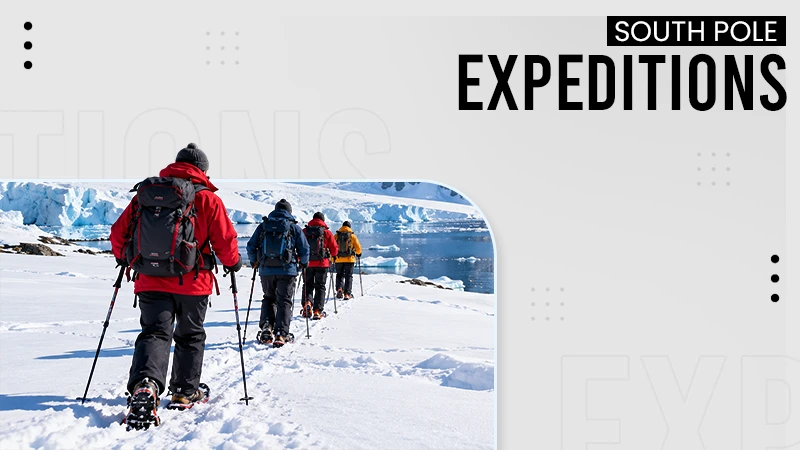
Reaching the South Pole starts with a different question from booking an Antarctic cruise: how much time do you want…

Planning a safari in 2026 is a great way to experience stunning scenery and world-famous wildlife in Tanzania. Although Tanzania…
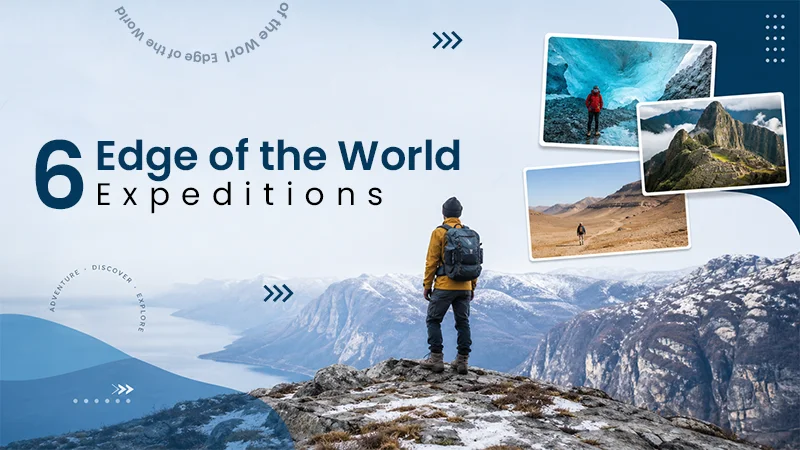
Some journeys begin where normal travel infrastructure ends. There are no train stations at the South Pole, no highways across…

Welcome to Tripvert, your best travel companion. Here, you will find real travel stories, tips, and guides that will help you explore the world with a different approach.