Beyond Everest: Discovering Nepal's Himalayan Communities, Ancient Cultures, and Legendary Mountain Trails
|
Published: November 19, 2026
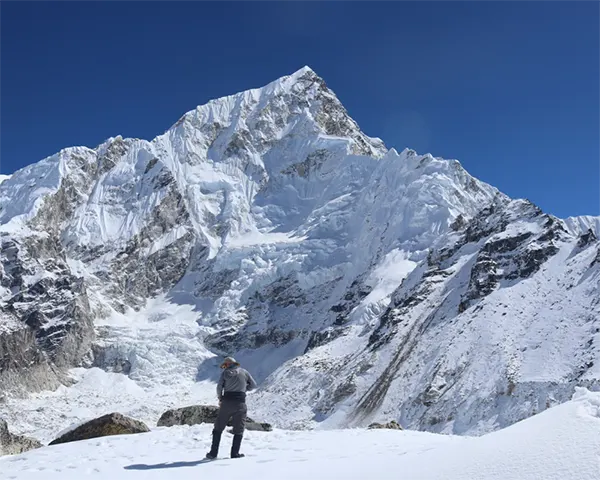
Most travellers look at Nepal because of gigantic peaks like Everest and while these locations are unarguably hard to miss, there exists a world beyond them which is just as beautiful and authentic to the culture.
Nepal is a country where the traditions and customs are not just limited to a festival, rather they are incorporated into the everyday life of its people whether it be in the way that they cook their meals or in the way that they serve other guests when they visit Nepal. This hospitality and culture has been passed down from generations to generations and has become one of the most important features of the entire place.
Under this guide we will look at some of the other places that give you an authentic experience of Nepal without feeling too crowded.
Previous to sunrise in a Himalayan village, the first sound is seldom a bird. It’s the soft creak of a prayer wheel being moved by someone on their way to the fields, and somewhere behind a wooden shutter, a kettle which has started boiling. That’s the time a lot of travelers think about years later, instead of the summit photo.
A lot of people who begin planning trekking in Nepal imagine the peaks first. Fair enough, the mountains are hard to ignore. But if you ask anyone who has walked these trails about what stayed with them, the answer is often a person, a kitchen, or a long wall of engraved stones. The Himalaya isn’t just a skyline. It’s a patchwork of communities who have stayed with altitude for generations, and every valley has its individual habits, beliefs, and methods of doing things. This article begins in Everest country, then moves outward to quieter places where the mountains and the people are still mixed up together.
There exist a number of tourist spots around the Everest region which give you a glimpse of Everest while still showing you a side which most tourists do not get a chance to experience.
Khumbu is Sherpa country, and you observe that way before you reach anything popular. Stone houses with painted window frames, yak herders on the roads, and a monastery bell ringing down from somewhere above the village. Sherpa families designed their way of life to fit the altitude, trade, Buddhist faith, and hospitality; here isn’t a show created for visitors. It’s just how things function. Namche Bazaar, lies into its bowl of hillside, is the busiest hub, but the smaller settlements around it usually say more about everyday life.
The Everest Base Camp Trek often gets described as a physical challenge, but it also runs across living villages, through chortens and mani walls, and along monasteries that anchor local belief. Tourism has changed Khumbu, no question. Many families now earn their living from hotels, guiding and portering, while still maintaining their farms, festivals, and religious schedules. That balance between old and new is genuinely the region’s most interesting story.
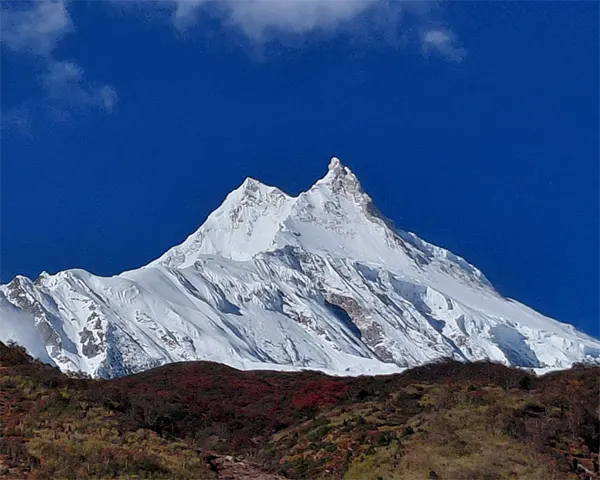
One of the most interesting features about a place is the kind of people which are inhabited there and the people of Nepal are genuinely one of the kindest and hospitable there ever are. Moreover some of the villages also provide scenes which are worth relaxing in.
West of Everest, the Manaslu region is simpler, and it feels quieter too. Villages incline strongly Tibetan in nature: flat-roofed stone homes, long mani walls, prayer flags opening above the rooftops, and small monasteries built just above the fields. Samagaun and Samdo, high in the upper valley, are communities where Tibetan-influenced traditions lie very close to the regular work of farming, herding, and trade. Nothing about it feels staged.
The Manaslu Circuit Trek is equal parts change and equal parts scenery. You transition from green foothills and river gorges into a wider, higher valley where the air thins and the villages become more small and weather-hardened. Local knowledge is worth a great deal out here. People who were born and brought up in these valleys read the weather, the routes and the etiquette of every village in ways no map can explain.
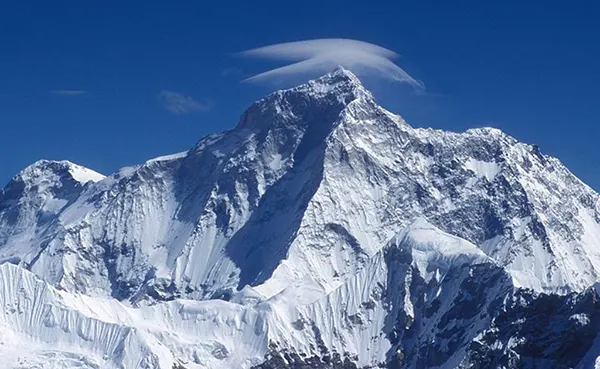
Head east and the crowds decrease almost entirely. Makalu, the fifth-highest mountain on earth, sits above a region that sees only less tourists than Everest or Annapurna, and that alone shifts the mood. The landscape changes a lot in a short distance, from warm, forested lower valleys to rugged high country, and a large part of the area sits inside Makalu Barun National Park.
The settlements here are basic and spread out, home to communities such as the Rai and Sherpa, whose routines are altered by steep terrain, farming, and long distances between neighbors. For travellers interested to know about the eastern Himalaya, the Makalu Base Camp Trek provides a way into this world, away from the more common trekking corridors. Isolation isn’t a marketing gimmick in this part of Nepal. It’s an everyday reality, and it has been useful in preserving traditions that feel genuinely local.
The Annapurna region is where Nepal’s cultural diversity is really displayed. Gurung villages such as Ghandruk are popular for their neat stone houses and strong regional ties, while Thakali communities, linked with the Kali Gandaki valley, are popular for their cooking and their long tradition of running lodges and trade. Magar communities add an extra layer, with their own traditions and festivals.
Terraced fields stretch along the hillsides, slate-roofed houses lie close together, and tea is provided almost before you’ve rested your pack down. Trekking paths here pass directly via working villages, so tourists don’t just look at Himalayan life from the outside; they walk from the middle of it. Mountain views and cultural variety share an identical trail, which is a big part of Annapurna’s appeal.
Food in the mountains is influenced by what grows, what travels perfectly, and what keeps a body warm. Dal bhat, lentils with rice and vegetables, is the daily backbone of Nepali meals, and you’ll hear it being referred to as the fuel of the hills for good reason. Higher up, Tibetan-style bread, thukpa noodle soup, and steaming momo display how closely food follows the cultural map.
Then there’s butter tea, salty and rich, which shocks many first-timers. It makes sense once you’ve been cold at altitude. Recipes change from valley to valley, and so do the stories behind them. The real heart of it all is the family-run teahouse kitchen, where meals are made on a wood or gas stove while the household enjoys in the corner. Sitting in one of those rooms usually teaches you more than any guidebook can.
Tibetan Buddhism runs deep inside Nepal’s high country, and it can be spotted everywhere once you begin looking. Stupas mark ridgelines, prayer wheels line village routes, and mani walls, carved with mantras, force the trail to split around them. Locals often cover these clockwise, a small habit that quickly becomes familiar to tourists too.
Tengboche Monastery in the Khumbu is genuinely the best-known spiritual center in the Everest location, set against a dramatic mountain backdrop, but smaller gompas in remote villages are worth just as much to the people who use them. Belief here isn’t separate from daily life. It influences how houses are built, when festivals happen, how the seasons are marked, and how neighbors treat each other. The spiritual landscape and the physical one have grown up together.
Modern borders are technically new in the long history of the Himalaya. For decades, traders, pilgrims, and monks crossed the mountains with salt, wool, grain, and ideas, and communities on either side of the ranges stayed closely associated. You can still observe it in the architecture, the monastery art, and the shared Buddhist traditions that link Nepal with Tibet and Bhutan.
A Sherpa village in Khumbu and a mountain settlement in Bhutan won’t feel identical, for obvious reasons. But the family resemblance is difficult to miss, from prayer flags to ritual objects to the rhythm of religious festivals. Looking at the Himalaya as one shared cultural landscape, instead of a handful of individual destinations, makes travel here richer and a lot less box-ticking.
Festivals are the time when Himalayan culture turns loud, colorful, and communal. Losar, the Tibetan New Year, is celebrated by many Buddhist communities in the mountains, often during late winter, with family visits, special food, and prayers. In Khumbu, Sherpa communities also come together for events such as Mani Rimdu, which has masked dances and ritual performances performed in monastery courtyards.
Across the big dates, culture stays in everyday things: traditional clothing, folk songs, wedding dances, family traditions passed down quietly. Most of the communities are now balancing these customs with tourism and changing lifestyles, and they’re doing it on their own terms. Young people may find employment in lodges, study in Kathmandu, or travel abroad, yet the festivals keep calling them home.
The people who create a Himalayan journey work are usually the ones you notice least at first. Local guides who understand the trails and the village traditions, porters carrying loads uphill, and teahouse owners who cook and house trekkers season after season. Their knowledge is sensible, cultural, and personal, and it influences the whole experience.
Travelling respectfully can be simple. Acknowledge people, ask before taking photos, dress appropriately around religious sites, and spend your money at locally owned lodges and shops. Professional local operators such as OutShine Adventure display why thoughtful connections with Himalayan destinations so many times start with people who truly know the ground. When community members get direct benefit from visitors, everybody ends up with a better trip.
The great peaks call out travellers to Nepal, but the genuine beauty of the Himalayas sits beyond the summits. Traditional villages, monasteries, local food, and festivals make each journey a memorable cultural experience. Nepal’s Himalayan identity also shares deep cultural links with Tibet.
Outshine Adventure Nepal, a local travel agency in Nepal, works in association with Viajes Nepal to provide Spanish-speaking travelers real Himalayan adventures and cultural experiences.
For those wanting to explore more of the Himalayan region, Viajes a Tibet provides another opportunity to uncover its rich culture, traditions, and landscapes
While mountains are definitely hard to miss whenever someone talks about Nepal, it is not the only thing worth paying attention to. In fact when you ask a lot of people about a trail, they will say that they remember a friend or conversation rather than the hike itself. So plan for popular treks but do not include just that.
Annapurna is the perfect answer for this because this spot combines everyday life of the people inhabited here along with beautiful treks that pass through the villages. The houses here are made of stones and multiple communities are settled down here. The interesting thing about this place is its love for tea because you will see many tea shops and lodges here.
One of the core features about Nepal’s culture is its belief system and faith in Buddhism. There are several monasteries which are built across the entire country which helps you understand the culture. Moreover the belief is not just limited to religious places, rather it has incorporated itself into everyday life and shapes how houses are made or routines are scheduled. So visit monasteries and talk to the locals about their cultures and you will get a real authentic experience of what it is like to be in Nepal.
The most fascinating destinations in the Himalayas are surely Nepal and Bhutan. They share mountain landscapes, ancient Buddhist traditions, a…

Your experience of exploring Paris will be so much better if you are able to move around the city without…
Most people plan a Nepal trek around a mountain. Everest, Annapurna, Manaslu: the names alone sell the trip. But ask…

The email looks official. It mentions your vacation ownership account, includes a familiar resort logo, and claims that a buyer…
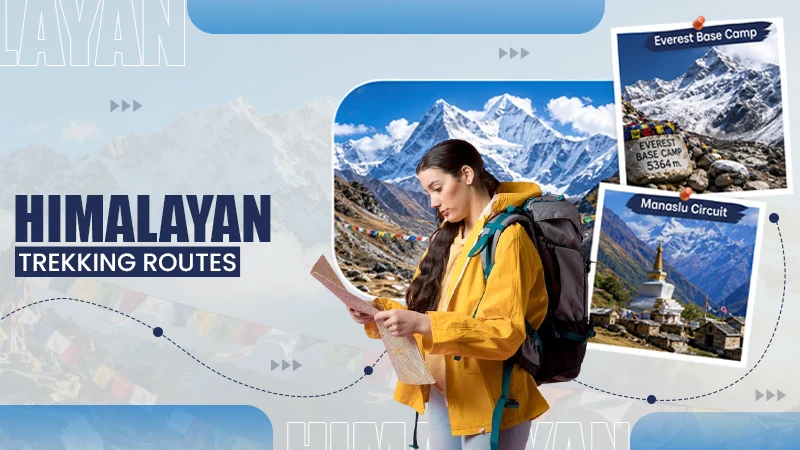
Table of Contents: 1. Introduction: Two Himalayan Routes, Two Very Different Trekking Experiences 2. Everest Base Camp Trek: Following the…
There are many different ways to observe and experience the world’s tallest mountains in the Everest region of Nepal. If…

Welcome to Tripvert, your best travel companion. Here, you will find real travel stories, tips, and guides that will help you explore the world with a different approach.