Village Life in the Himalayas: Local Traditions, Buddhist Monasteries and Cultural Experiences on Three Nepal Treks
|
|
Published: November 13, 2026
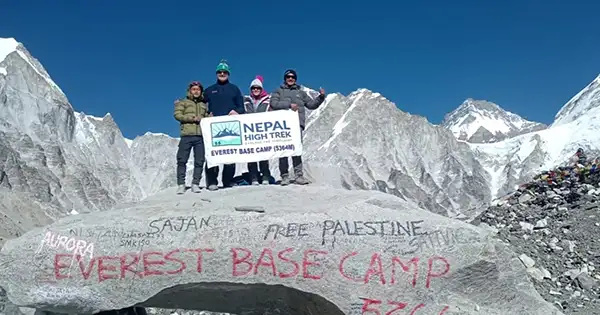
Most people plan a Nepal trek around a mountain. Everest, Annapurna, Manaslu: the names alone sell the trip. But ask anyone who has actually walked these trails what stuck with them, and the answer is often a kitchen. A smoky tea-house, a grandmother feeding the stove, kids doing homework by a window while snow settles outside.
The Everest Base Camp Trek is famous for its big views, yet it runs straight through living Sherpa villages with their own rhythm, rules and humour. The same goes for Gurung hill country in Annapurna and the far quieter valleys around Manaslu. So what does village life really look like on each route, and how do you pass through without being a nuisance? This guide covers three treks, three cultures, and the small habits that make you a welcome guest.
Altitude decides almost everything up here. Houses are built from thick stone, often with wooden beams and small windows, because heat is precious and wind is relentless. Lower down you’ll see terraced fields of millet, barley and potatoes stepping up the hillsides. Higher up, farming thins out and livestock take over, especially yaks and their hybrids, which give milk, wool and transport in places where little else works.
Daily routines follow the weather. Mornings start early, animals get tended, and cooking usually happens over a fire or stove that doubles as the family’s living room heater.
Family sits at the centre. Neighbours help each other with harvests, house repairs and festival preparations, and guests are treated as part of that give-and-take. Meals are shared, tea keeps coming, and festivals bring whole valleys together.
Yes, gradually. Lodges now have solar lighting, Wi-Fi and hot showers in many places, and younger people often work in the trekking trade. That brings income, but it also shifts old routines. Good travellers notice both sides.
Sherpa communities have lived in the Khumbu for generations, and their link with the high mountains runs deeper than the climbing industry that made them famous. On the Everest Base Camp Trek you’ll pass through Namche Bazaar, a busy hillside town with markets, bakeries and gear shops. Further on come quieter places like Khumjung and Pangboche, where stone-walled potato fields and traditional homes feel a long way from the main trail’s bustle.
Tea-houses here are usually family businesses. You’ll often be eating dinner in the same room where the family spends its evening.
Tengboche Monastery is the best-known spiritual site in the region, sitting on a ridge with the big peaks around it. Along the way you’ll see prayer flags, long mani walls carved with mantras, and prayer wheels set into village paths.
Walk clockwise around mani walls and chortens, remove your shoes where asked, keep your voice low, and ask before taking photos inside. Don’t touch religious objects or step over offerings.
Dal bhat is the trekking staple, but try Sherpa potatoes, yak cheese and butter tea at least once. The butter tea is salty and takes some getting used to. Staying in family-run lodges gives real chances to chat, and the question is how tourism and tradition keep balance here. Lodge owners often talk openly about it if you ask politely.
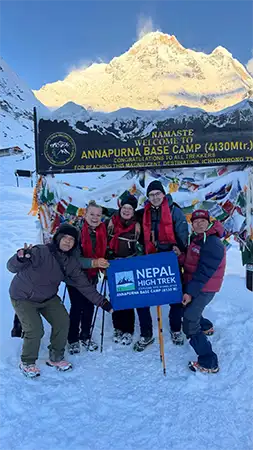
Gurung communities dominate much of the Annapurna foothills, and their villages feel different from Khumbu’s. Think slate-roofed stone houses, courtyards where families dry grain, and steep terraced farms. Chhomrong and Sinuwa, both on the Annapurna Base Camp route, give a good taste of this. Community celebrations here lean on music, dance and shared meals, and many families have long ties to the Gurkha tradition too.
The 7 Days Annapurna Base Camp Trek is compact, so you won’t linger in every village. Still, it passes through settlements at a steady pace, and landscapes change quickly from farmland to rhododendron forest to open alpine terrain. That shift shapes what you meet: busy lower villages first, then simple lodges near the sanctuary.
You can, if you slow down in the evenings. Chat with tea-house owners, eat what locals eat, and join in when people are happy to include you.
Look for millet-based dishes, local honey, and homemade pickles alongside the usual dal bhat. Festivals bring dance and music that remind you these villages are home, not scenery. If you’re invited to watch, be respectful, ask before filming, and keep a small distance unless someone waves you in.
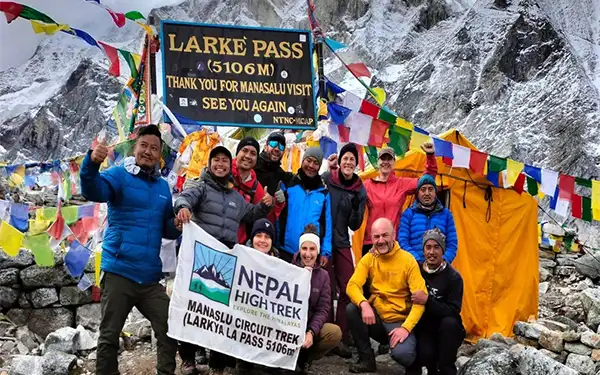
The Manaslu Circuit Trek feels quieter than its famous neighbours. Villages like Lho, Samagaun and Samdo show strong Tibetan influence in their stone architecture, flat roofs stacked with firewood, and carefully managed barley fields. Isolation has helped keep customs intact, so family ties, shared grazing land and seasonal movements still shape everyday life.
Ribung Monastery in Lho and Pungyen Gompa near Samagaun are the main stops for anyone interested in religious life here. Monasteries act as schools, meeting places and spiritual anchors. Along the trail you’ll walk beside mani walls, chortens and strings of prayer flags, always keeping them on your right.
Expect tsampa, thukpa and Tibetan bread, plus clothing, language and customs that echo the Tibetan side of the border. Because fewer trekkers come through, people may be curious about you.
Ask first, always, before taking portraits or entering courtyards. A smile and a few words in Nepali go a long way.
None of these routes is “more cultural” than the others. They just show different faces of mountain life.
| Cultural Factors | Everest Base Camp Trek | 7 Days Annapurna Base Camp Trek | Manaslu Circuit Trek |
| Main cultural communities | Sherpa | Gurung and other local communities | Nubri and Tibetan-influenced communities |
| Village atmosphere | Established mountain settlements | Traditional mountain villages | Remote Himalayan settlements |
| Religious heritage | Tibetan Buddhism | Buddhist and Hindu traditions | Tibetan Buddhism |
| Monastery experiences | Tengboche and other Khumbu monasteries | Local Buddhist religious sites | Ribung and Pungyen Gompa |
| Cultural experience | Sherpa hospitality and mountain heritage | Village lifestyle and community traditions | Traditional customs and Tibetan cultural influences |
Each route offers its own cultural experience, and no single region represents all Himalayan traditions.
Spring (March to May) and autumn (September to November) are the usual windows. Weather is steadier, trails are drier, and villages are active with farming and festivals.
Most nights are spent in family-run tea-houses with simple rooms and shared dining areas. Menus get shorter and prices climb with altitude, and remote settlements may have limited supplies. Bring a water bottle and purification tablets or a filter rather than buying plastic bottles.
Dress modestly, behave calmly inside monasteries, and ask before photographing people, ceremonies or private homes. Spend money locally: eat in the lodge you sleep in, hire local guides, and buy from community shops. Respect local dress, traditions and religious practices, even when you don’t fully understand them.
Typical packages cover permits, accommodation, meals, guides, porters and domestic flights to Lukla. Look for itineraries that include time in Sherpa villages and a visit to a monastery, not just a straight push to base camp.
Shorter itineraries usually bundle accommodation, transport, a guide and a few village stops. They suit travellers with limited time who still want a proper mountain walk.
This region needs a restricted-area permit and a licensed guide, so planning matters more. Leave extra days for village visits. Operators such as Nepal High Trek are worth comparing when you’re weighing arrangements and culturally focused itineraries.
Himalayan trekking isn’t only about summits and sore knees. Sherpa, Gurung and Nubri communities each offer a different way of living with the mountains. Take your time in the villages, learn what you can, and respect the faith that shapes daily life. You’ll understand Nepal better through its people than through any viewpoint.

The email looks official. It mentions your vacation ownership account, includes a familiar resort logo, and claims that a buyer…
Table of Contents: 1. Introduction: Two Himalayan Routes, Two Very Different Trekking Experiences 2. Everest Base Camp Trek: Following the…
There are many different ways to observe and experience the world’s tallest mountains in the Everest region of Nepal. If…
Table of Contents: Planning Your First Himalayan Adventure Choose the Right Himalayan Trekking Route for Your Experience Build a Realistic…
Stretching between Switzerland and France, Lake Geneva is one of Europe’s most beautiful destinations for a scenic road trip. Surrounded…
Reaching the South Pole starts with a different question from booking an Antarctic cruise: how much time do you want…

Welcome to Tripvert, your best travel companion. Here, you will find real travel stories, tips, and guides that will help you explore the world with a different approach.