Albania’s best souvenirs aren’t objects. They’re meals, conversations and invitations to stay a little longer. Here’s how to travel the country through its food and hospitality.
Ask people what they remember most after a trip to Albania and few will start with a monument. They’ll tell you about a grandmother who wouldn’t let them leave without a second helping, a roadside stop where the owner poured a glass of homemade raki, or a table that somehow doubled in size as more dishes arrived.
Albania is a country best understood at the table. The food is Mediterranean at heart, with Balkan and Ottoman influences, and it comes with a code of hospitality that is centuries old. This guide covers what to eat, where the regional differences lie, and how to travel so you meet the culture instead of just photographing it.
The Idea Behind the Hospitality
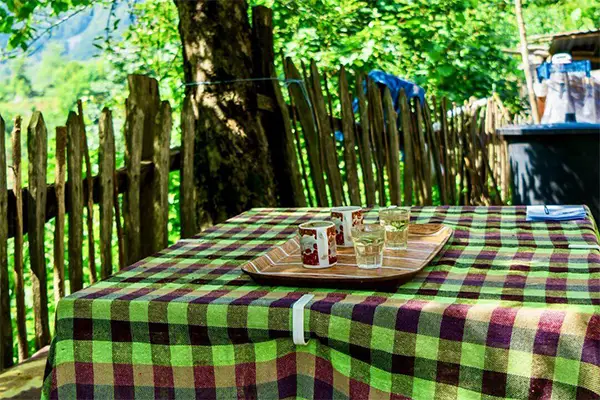
Albanian hospitality rests on the tradition of besa, a word usually translated as “faith” or “pledge of honor.” Historically, a guest under your roof was protected and honored, and hosting well was a matter of family pride. The old customary code known as the Kanun is often summarized as saying that the house belongs to God and the guest.
You’ll still feel the echo of this today. Coffee appears before you’ve asked for it. A quick visit becomes lunch. Refusing food can feel awkward, so it helps to know the etiquette: accept graciously, take a little of everything, and praise the cook. A polite “të lumtë duart” (bless your hands) goes a long way.
What to Eat: The Essentials
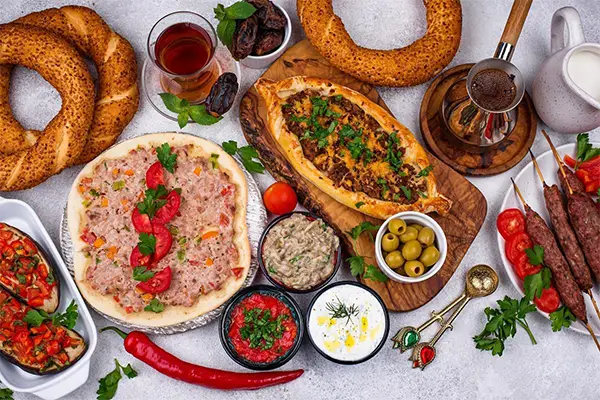
- Byrek. Flaky, layered pastry filled with spinach and cheese, minced meat or pumpkin. It’s breakfast, snack and street food all at once, and every bakery has its own version. Order it with plain yogurt or a bottle of ayran.
- Tavë kosi. Often called the national dish: lamb baked with rice under a creamy, lightly tangy yogurt and egg topping. It’s simple, comforting and best when made in a family kitchen or a traditional restaurant.
- Fërgesë. A Tirana classic of peppers, tomatoes and soft cheese (sometimes with liver) baked in a clay dish. Scoop it up with fresh bread.
- Qofte. Seasoned meatballs, grilled or fried. Korça is especially proud of its version.
- Speca me gjizë. Peppers stuffed with fresh curd cheese, a good vegetarian option that turns up on many menus.
- Fli. A northern specialty of thin layers of batter cooked slowly under a metal lid over embers, then served with yogurt or honey. It’s usually a group affair, made on request and worth the wait.
- Seafood. Along the Ionian and Adriatic coasts, look for grilled fish, mussels and octopus, dressed with olive oil and lemon. The best meals are often at unpretentious spots close to the water.
- Raki, wine and mountain tea. Raki, a fruit brandy, is the traditional welcome drink. Albania’s wine scene is growing, with local grapes such as Shesh i Zi, Shesh i Bardë and Kallmet. And çaj mali (mountain tea) is served in villages and guesthouses across the highlands.

A Regional Tasting Route
Albania is small, but its plates change quickly as you move through it.
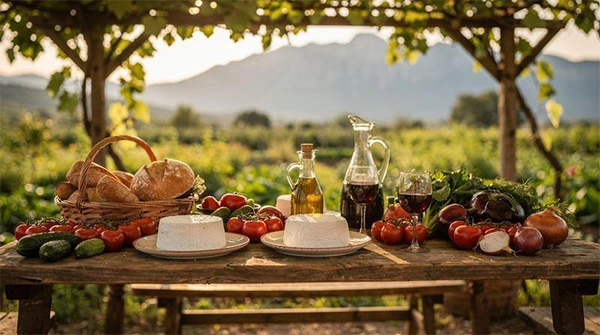
- Tirana and the center. Start in the capital, where you can eat everything from old-school family restaurants to modern kitchens reinterpreting classics. The revived New Bazaar area is a good place to sample local produce, cheese and street snacks.
- Berat. The “city of a thousand windows” is a UNESCO-listed town, and the nearby wine country makes for slow, scenic tastings. Pair a stroll through the old quarter with a long lunch of regional dishes.
- Gjirokëstr. This stone city in the south has its own culinary identity. Look for local specialties like qifqi (rice and herb croquettes) and long dinners in restored Ottoman-era houses.
- Korça and the southeast. Known for hearty cooking, good meatballs and local beer, and a slightly cooler climate that shapes what’s on the table.
- The north. In the mountains around Theth and Valbona, food is honest, seasonal and often homegrown. Guesthouse dinners of fresh dairy, bread, mountain herbs and grilled meat are part of the experience, and hikers feel it’s earned.
- The coast. From Vlora to Saranda and Ksamil, expect seafood, olive oil, figs and citrus, best enjoyed at a sunset table.

Local Experiences Worth Seeking Out
Eating in restaurants is good. Eating with people is better. A few ways to go deeper:
- Stay at an agritourism farm. Many family-run farms serve meals made almost entirely from what they grow and raise. You eat what’s in season and often watch it being prepared.
- Join a cooking session. Learning to roll byrek dough by hand is humbling and unforgettable.
- Visit a winery or olive grove. Small producers often welcome visitors for tastings, and the conversation is half the value.
- Travel in autumn. Harvest season brings grapes, figs, pomegranates and the smell of raki distillation in village courtyards. It’s one of the most rewarding times to eat your way through the country.
- Say yes to invitations. If a shopkeeper, guesthouse owner or driver invites you for coffee, go.
Planning It Well
The best meals in Albania are rarely the easiest to find. Village kitchens, seasonal dishes and family-run guesthouses don’t always show up in a quick online search, and distances in the mountains can be longer than they look on a map. This is where a local travel agency earns its place.
Bora Travel, an Albanian agency with around 15 years of experience organizing trips, builds journeys around what travelers actually want to do rather than just ticking off sights. Its team handles the practical layer (transport, accommodation, guided itineraries and support along the way), so you can spend your time at the table instead of on logistics. If you’d like a trip that includes regional food, family-run stays and local guides who know the shortcuts, it’s worth starting a conversation with a team that lives here.
A Few Practical Tips
- Pace yourself. Portions are generous and courses keep coming. Don’t order everything at once.
- Ask what’s local and seasonal. Servers are usually happy to steer you away from the tourist menu.
- Carry some cash. Small villages and rural guesthouses may not take cards.
- Learn a few words. “Faleminderit” (thank you) and “Shumë e mirë” (very good) open doors.
- Leave room in the schedule. The best moments are often unplanned. A long lunch might replace the next stop, and that’s fine.
- Mention dietary needs early. Vegetarian options are common, but say so before the meal is cooked.
The Takeaway
Albania’s beaches, castles and mountains are worth the trip, but the food and the people are why you’ll want to return. Arrive hungry, stay curious, and let the country feed you.

Related Posts
Most South Africa itineraries center on Kruger and Cape Town, and both deserve the attention, but neither is necessarily the…

Whitefish, Montana pulls families in for the same reasons it hooks skiers, hikers, and lake-day dreamers: Glacier National Park on…

Luxury destinations in the USA have shifted away from gilded lobbies and brand-name dining toward something quieter and harder to…

Located in the upper Florida Keys, Islamorada is widely known as the “Sportfishing capital of the world”, a title earned…

Australia is one of the most rewarding places in the world to call home. With so many desirable features in…

Beginners need to be aware of river conditions and section types, the right equipment to bring, safety guidelines, and weather…