How to Plan an Epic Himalayan Adventure: A First-Timer’s Guide to Nepal
|
Published: November 3, 2026
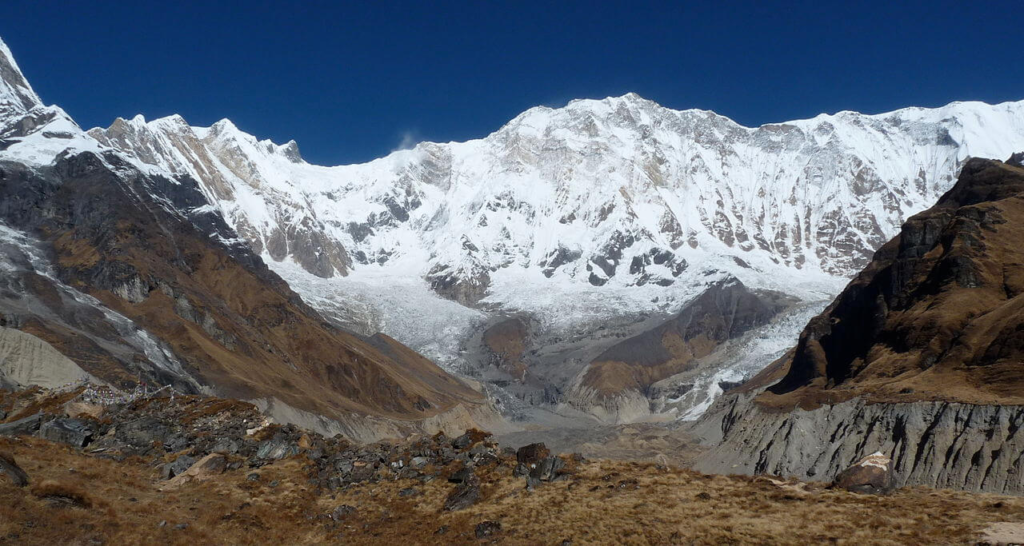
The very first glance at a Himalayan ridge glowing at sunrise is something one can never forget. Nepal is so beautiful that people often dream about trekking in Nepal. The prayer flags snapping in the wind, the stone villages, and a trail that just disappears into the clouds slowly.
But before reaching there, the planning is very important. Like, how much will it cost? Which route is the easiest and fastest? And, most importantly, how will you deal with the attitude?
For travellers who want to see mountain culture, big views in one journey, and changing scenery, choosing an Annapurna Circuit Trek package will be the option.
This article will provide the gear, safety, preparation, and itinerary tips so you can enjoy your time in Nepal.
Begin with yourself, not the map. Your fitness, the days you can spare, your budget, how you manage altitude, and the scenery you’re after should all shape the choice. A trek that suits your friend might be wrong for you.
Four routes come up again and again for first-timers:
Don’t count only the walking days. Add arrival and departure days, acclimatization time, possible weather delays, road or flight transfers, and a few rest days. How long the trip takes usually depends on the route you select and your own pace, so be a little generous with yourself.
A good itinerary isn’t a race. Nobody enjoys a trek where every single day is a grind, and tired people make poor decisions on the trail.
Think about the whole chain. You’ll likely land in Kathmandu or Pokhara, then you’ll need ground transport or a domestic flight to reach the trailhead, depending on the route. After that come the overnight stops, and finally, time to head back. Each link takes time, and each can shift.
Mountain weather doesn’t care about your flight home. Roads close, small planes get grounded, and trails change after rain or snow. A tight international connection can change one delay into a real headache. Where you can, keep buffer days at the start or end of the trip.
Also check the daily walking hours, the elevation change from one stop to the next, whether lodges have space, how meals are arranged, and where the villages sit along the route. That little bit of homework makes the days feel far more manageable.
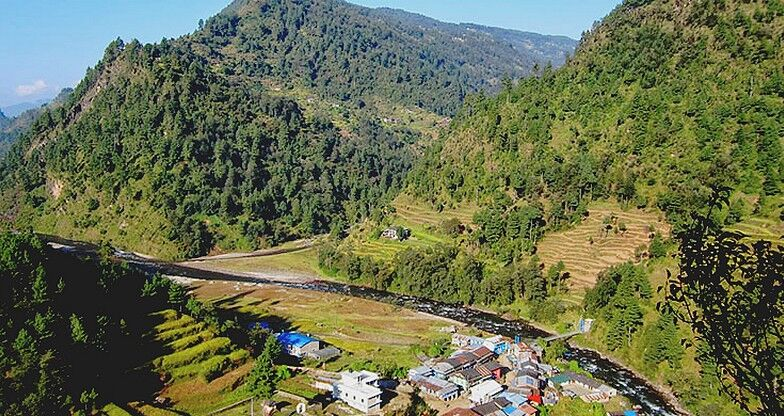
Spring and autumn are commonly favourites, with usually better visibility, milder temperatures, and more stable trails, though they also bring more visitors. Monsoon rain can make trails slippery and views patchy. Winter brings real cold, snow and the risk of high passes closing.
Make sure to look at current weather forecasts, trail updates and road conditions, and ask locals or your operator for advice. Seasonal patterns are handy for planning, but they can’t promise clear skies or safe passage on any given day.
Permits are boring until they’re missing. Before you leave, confirm what your specific trekking region requires, because rules are different from one area to another.
Depending on where you walk, you may require a conservation-area permit, a national park entry permit, or a restricted-area permit. Conditions vary by route and can change, so don’t depend on an old blog post, including this one.
Ask Nepal’s tourism authorities or a registered trekking agency what’s current. Restricted regions can come with a few extra rules, including the use of licensed guides and authorized agencies. Carry your identification, your permit documents, and copies of key travel details. Paper copies still earn their place in a backpack.
Being able to walk on flat ground isn’t the same as being trek-fit. Uneven trails, steep climbs, long knee-pounding descents, and a daypack on your back make mountain walking way harder than it looks.
Keep it straightforward. Walk regularly, find hills, climb stairs, add some cardio, and build leg strength. Slowly stretch the length of your training walks as the weeks go by.
Break in your boots well before the trip. Practice with the daypack you plan to carry and try your clothing layers on real walks. Blisters on day two are a miserable way to learn a lesson.
Build fitness gradually. A few brutal workouts in the final week won’t do much for you.
The right gear will keep you comfortable and help you cope when mountain weather changes. Wrong gear, or too much of it, does the opposite.
You’ll want moisture-wicking base layers, warm insulating clothing, a waterproof outer layer, and of course trekking trousers. Add broken-in boots, warm socks, gloves, a hat, sunglasses, and sun protection. Layers matter more than one huge jacket.
Make sure to bring a reusable water bottle, a headlamp, a power bank, your personal medication, and basic first-aid supplies. Toiletries, a quick-drying towel where needed, and some small cash for mountain villages are easy to forget too.
What you require depends on the season, the altitude, the type of accommodation, and whether a porter carries your main bag. Whatever the case, avoid extra weight. Every unnecessary item gets heavier by the afternoon.
Altitude deserves real respect, even if you’re very fit. Fitness doesn’t guarantee that your body will adjust well, and it’s hard to predict who will struggle.
Common symptoms include headache, nausea, dizziness, unusual tiredness, and loss of appetite. They can build up as you go higher, and they shouldn’t be brushed off as normal fatigue.
Go up gradually, plan acclimatization days, and avoid big jumps in your sleeping altitude. Stay hydrated and follow proper medical advice. If your symptoms get worse, stop climbing. If they become severe or point to serious altitude illness, you are required to descend urgently and get medical help. Never push higher just to keep the itinerary on schedule.
Expect cold temperatures, snow, rain, and slippery trails, plus limited phone connectivity in remote stretches. Check local conditions before you set out each day.
Costs rely on many things: the route, the trip length, the accommodation standard, group size, transport, guide and porter arrangements, meals and your own spending. There’s no single number that fits everyone.
Ask for a written itinerary and read it closely. Check accommodation, meals, permits, guide services, porter arrangements, transfers, and domestic flights where they apply. If something isn’t written down in the list, don’t assume it’s covered.
When you look at an Annapurna Circuit Trek package, compare what’s inside instead of the headline price alone. A cheaper package that leaves out meals or permits can make you pay more in the end. Confirm what’s included, what costs extra, and what happens if weather or transport disruptions change the plan.
Trekkers walk through people’s homes and fields, so a little care goes a long way for mountain communities.
Take consent before taking photos of people, dress modestly at religious sites, and greet locals politely. Cut down on single-use plastics and carry out your rubbish. Hiring local guides, staying in locally operated lodges and buying services from mountain communities helps support livelihoods. If you’d like help with route planning, logistics and local guidance, consulting a trekking operator such as Nepal Eco Adventure is one way to go about it.
Before you fly, make sure you’ve covered the essentials:
A rewarding Himalayan adventure comes from preparation, flexibility, respect for local communities and sensible decisions on the trail.
A successful Himalayan adventure begins with a suitable route, proper preparation and respect for how mountain travel really works. Plan carefully and stay flexible, and you’ll have room to enjoy Nepal’s landscapes, its people and the trek itself, without excessive pressure.
Yes, Nepal is a very good place for beginners; just choose the right route and plan accordingly before visiting.
The best time for trekking in Nepal is usually spring (March to May) and autumn (October to mid-December).
Well, most Nepal treks are safe, but it also depends on the route you choose, and being properly prepared can help a lot.
There are many different ways to observe and experience the world’s tallest mountains in the Everest region of Nepal. If…
Stretching between Switzerland and France, Lake Geneva is one of Europe’s most beautiful destinations for a scenic road trip. Surrounded…
Reaching the South Pole starts with a different question from booking an Antarctic cruise: how much time do you want…

Planning a safari in 2026 is a great way to experience stunning scenery and world-famous wildlife in Tanzania. Although Tanzania…
Some journeys begin where normal travel infrastructure ends. There are no train stations at the South Pole, no highways across…
Albania’s best souvenirs aren’t objects. They’re meals, conversations and invitations to stay a little longer. Here’s how to travel the…

Welcome to Tripvert, your best travel companion. Here, you will find real travel stories, tips, and guides that will help you explore the world with a different approach.