How to Choose Your Everest Adventure: Trekking, Helicopter Tours and Island Peak Climbing
|
Published: November 3, 2026
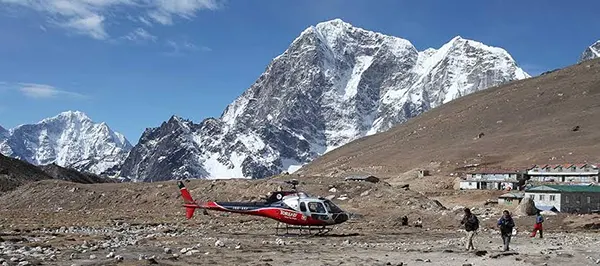
There are many different ways to observe and experience the world’s tallest mountains in the Everest region of Nepal. If you want to trek through Sherpa villages. Take a helicopter tour around the Everest or make impressive tour climbing at high altitude. There are several factors to take into account. How much time you have, your fitness level, budget, and how well you manage the heights. This all play a crucial for the kind of activity you prefer.
If you choose to trek through the Khumbu Valley, then you may have plenty of time to take things slowly. A helicopter tour gets you close to the beauty of mountain views, but you will not need to trek for long.
Climbing Island Peak will also require some technical training and needs some mountaineering guidance. Need to know the differences between the activities that ensure you choosing an right options that will make you feel achievable and best suitable for your travel targets.
You have got a few days or weeks, and you got some full of Himalayan pictures around your head, and a problem. Want to walk all the way to base camp? Fly in a helicopter and be back for dinner? Or aim higher and try an actual summit? Each one sounds great on its own, and each one asks for something very different from you.
Your time, fitness, budget, and past altitude experience should drive the choice, not whatever looks best on Instagram. This guide compares the three main choices: a traditional Everest trek, an Everest Base Camp Trek with Helicopter Return, and Island Peak climbing. They all offer you the same mountains. The effort, the cultural contact, and the duration you’ll need are not even close to the same.
This is the most classic option. You fly into Lukla, then climb slowly through the Khumbu, crossing swaying suspension bridges and sleeping in teahouses run by local families. Altitude is the real boss here, so the schedule contains rest days and short walking days. Expect several hours on the trail each day, often on rocky, uneven ground. It serves people who like the walking itself and want time in local Sherpa villages.
Here you walk up, then fly back instead of following your steps. It saves days, and the flight gives you a look at the valley you just spent so long crossing. But don’t mistake it for an easy version. The trekking option is just as challenging as the traditional route. The helicopter depends on weather, wind, and aircraft availability. You may have to wait longer.
Island Peak Climbing, also called Imja Tse, is a mountaineering objective, not a bigger hike. Climbers use strings, crampons, and an ice axe, cross a glacier landscape, and face a long, tiring summit day. Trekking fitness helps, but it isn’t enough on its own. This is a climbing adventure with guides and proper training.
A traditional trek takes the most time, because the walk back down is part of the plan. A trek with helicopter return trims the end of the trip. An Island Peak expedition usually needs longer due to the need for acclimatization, training days at the mountain, and potentially a window of good weather for the summit. Whatever you pick, add extra days. Lukla flights are often delayed, and clouds don’t care about your return ticket. And please don’t squeeze the schedule so tight that you miss out on acclimatization, which is the fastest way to ruin a trip.
Most adventures start in Kathmandu, then move by flight to Lukla and head into the Khumbu. Namche Bazaar is the usual first big stop. This is a busy trading post where people spend an extra night to adjust. Tengboche, with its monastery, and Dingboche, higher and quieter, often appear later on the way up. After that, the paths split. Trekkers continue toward base camp and turn around. Helicopter itineraries swap the walk back for a flight. Climbing will head off to Island Peak base camp and a higher camp. They will attempt the summit early in the morning.
Count your actual vacation days, then check your international flights before booking anything in Nepal. Leave room for domestic flight changes. Climbing trips require the most flexibility, since a summit day can’t be forced, while a viewing flight is the easiest to fit around a tight calendar.
The walk is the heart of this option. You pass villages, stop to acclimatize, and feel the air thin as you go higher. A flight alone can’t give you that. Pacing is also important, so go slower than your ego wants and train properly in the months before.
Helicopters fly when visibility, wind, and landing conditions allow, and the operator makes the last call. Passenger weight limits and luggage assistance also depend on this, so ask early. Confirm exactly where you’ll be picked up. A return flight is planned, but nobody can promise it will leave at a particular hour.
It fits travelers who want a real trek but can’t limit the days for the full walk back. Just look honestly at the distance and height on the way up. A shorter return doesn’t make the trek itself any shorter.
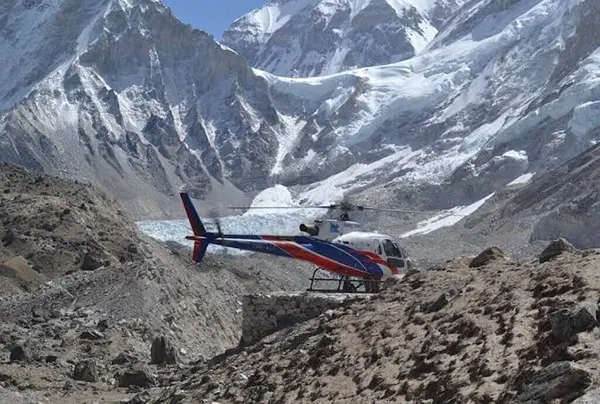
You’ll enjoy some beautiful views of the Himalayan peaks, glaciers, and high valleys from the air. An Everest Base Camp Helicopter Tour offers an option to appreciate these landscapes without spending several days stepping through the mountains. Routes, landing stops, and sightseeing opportunities vary between operators and may change with weather and flying conditions. Keep in mind, though, that it is a different experience from trekking to base camp. You get to take a view of the landscape from above, but you don’t get to live in it, walk through its villages, or experience the gradual expedition into the Himalayas.
Landing at Everest Base Camp or Kala Patthar is not guaranteed. It depends on weather, altitude limits, aircraft capacity, and safety decisions. Weight limits can also matter. Before you pay, get documented confirmation of what your expedition actually includes.
It works for people with very little time, or for travelers who can’t handle days of uphill hiking. Just treat it as its own thing, not a shortcut arrangement of the tour.
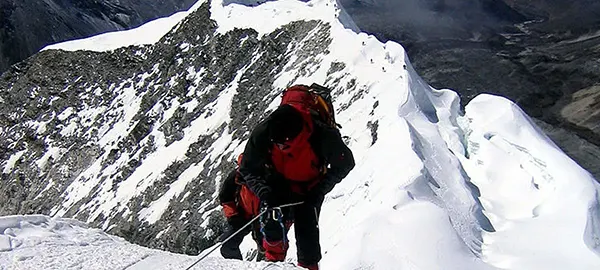
The approach goes through the Everest region toward Island Peak base camp, and depending on your itinerary, a high camp above it. Acclimatization and preparation are built into the itinerary. Summit day is nothing like a normal travel day: you start in the dark, move carefully, and the effort is long.
Build constancy and leg strength, and get used to long days at altitude if you can. You may use crampons, an ice axe, a harness and cords under skilled guidance. Gear alone won’t save you. Training, skills and good management matter far more than a shiny new jacket.
Check existing climbing permits, entry conditions and guide arrangements, because rules change. Plan for equipment checks, emergency processes, mountaineering insurance and spare days. A qualified local operator can guarantee what applies before you proceed.
Spring and autumn are the seasons most people choose for trekking, thanks to generally better weather and views. Climbing requirements can differ from what suits a normal hike, so ask your operator about the season for your purpose. No season guarantees clear atmospheres or a successful meeting.
Cloud, wind and snow can delay flights and change climbing plans overnight. Check current forecasts before you go, keep your plan loose, and put protection ahead of the itinerary.
Costs come from accommodation, meals, guides, porters, domestic flights, permits, equipment, and insurance. Trekking, stepping with helicopter return, a sightseeing flight, and an Island Peak rise each weigh those items differently. Private versus shared helicopters, and the story of expedition support, can shift the final expense a lot.
Look at inclusions and exclusions, cancellation terms, baggage allowances, and possible extra charges. Verify permits, guide qualifications, climbing support, and evacuation arrangements. Ask for a written itinerary and an itemized quote, and compare those rather than headline prices.
Best for walkers who want to experience culture, slow acclimatization, and spend time in Himalayan villages.
If you want a real trek but don’t have the time to walk back, this is a great option to select.
Right for tourists short on time who want to see the Everest region without a multi-day expedition.
Better for prepared travelers who want a specialized trek and will commit to training, equipment, and expedition planning.
Traditional trekking offers you the full experience. A helicopter return saves time after the hard part. A sightseeing flight offers views with little walking, and Island Peak is the real mountaineering step. Select based on your fitness, time, budget, altitude preparation, and what you actually want from the trip. Then verify current route conditions, permits, weather limitations, and company agreements before you proceed with the plan.
Yes. You trek up through the Khumbu, then take a helicopter back instead of trekking down. Plan around the weather, since the return flight can’t be fixed to an assured time.
No. A tour for viewers. A trek means reaching locations on foot over several days, with the villages, struggle, and acclimatization that come slowly with it.
It depends on the itinerary, conditions, and safety restrictions. Don’t assume you land there. Ask your company.
Be realistic about your technical skills, fitness, and previous experience with high-altitude conditions. Experience helps, and qualified climbing support is essential.
It depends on the activity, route, acclimatization needs, weather, and extra days. Build in additional time instead of tiny.
Table of Contents: Planning Your First Himalayan Adventure Choose the Right Himalayan Trekking Route for Your Experience Build a Realistic…
Stretching between Switzerland and France, Lake Geneva is one of Europe’s most beautiful destinations for a scenic road trip. Surrounded…
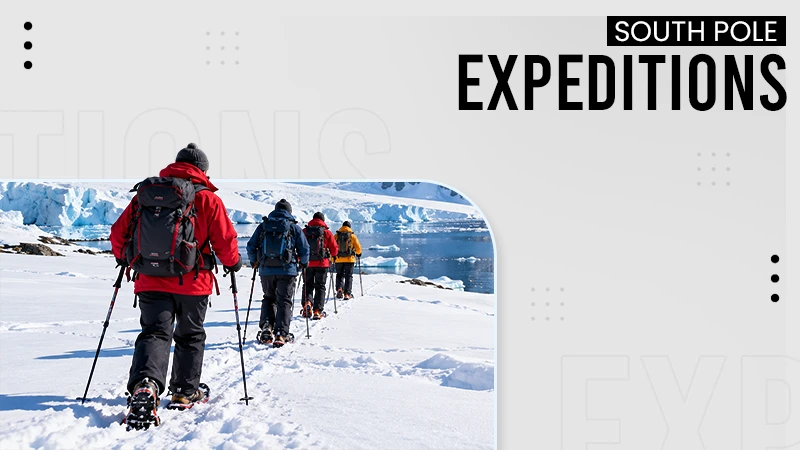
Reaching the South Pole starts with a different question from booking an Antarctic cruise: how much time do you want…

Planning a safari in 2026 is a great way to experience stunning scenery and world-famous wildlife in Tanzania. Although Tanzania…

Some journeys begin where normal travel infrastructure ends. There are no train stations at the South Pole, no highways across…
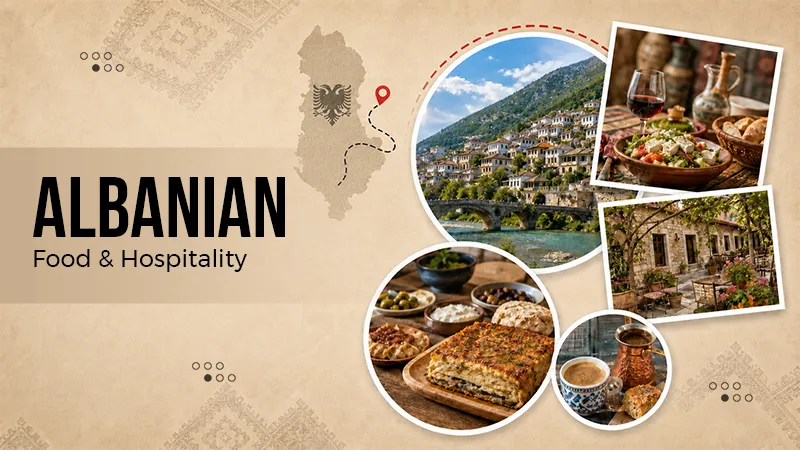
Albania’s best souvenirs aren’t objects. They’re meals, conversations and invitations to stay a little longer. Here’s how to travel the…

Welcome to Tripvert, your best travel companion. Here, you will find real travel stories, tips, and guides that will help you explore the world with a different approach.