South Africa for Families: Addo's Elephants, the Drakensberg, and the Zulu Coast
|
|
Published: September 21, 2026
Most South Africa itineraries center on Kruger and Cape Town, and both deserve the attention, but neither is necessarily the easiest starting point for a family with young kids. Malaria risk in the Kruger region and long driving distances between highlights can complicate planning when nap schedules and short attention spans are part of the equation. A route built around Addo Elephant Park, the Drakensberg Mountains, and the Durban coastline sidesteps both of those issues while still delivering the wildlife, scenery, and culture that make South Africa worth the flight. For families weighing South Africa tours packages against the standard highlights reel, this route through the Eastern and KwaZulu-Natal regions is worth serious consideration.

Addo Elephant Park, a short drive from Port Elizabeth, sits in one of South Africa’s malaria-free zones, which removes a genuine source of pre-trip anxiety for parents traveling with young children. The park holds one of the densest elephant populations in Africa, with herds that regularly cross right in front of self-drive vehicles, close enough for kids in the back seat to get a proper look without binoculars. Beyond elephants, Addo protects lions, buffalo, and the flightless dung beetle, an unusual conservation priority that gives the park a fun bit of trivia for curious kids on the drive. Self-drive routes through the park are well maintained and clearly marked, so families who prefer not to book a guided game drive can manage the visit independently at their own pace. Rest camps inside the park offer family-sized chalets with kitchens, useful for keeping mealtimes flexible around younger travelers’ schedules rather than fixed lodge dinner times.
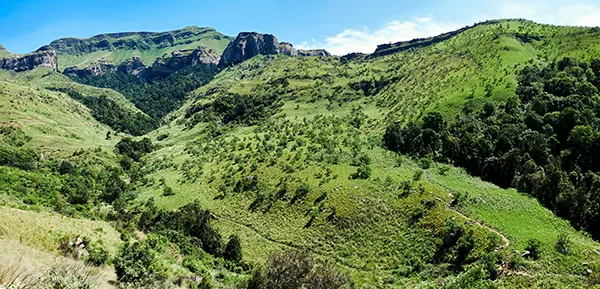
The Drakensberg range, South Africa’s highest mountains, offers hiking trails ranging from gentle valley walks to serious multi-day treks, which means a family can pick a route that matches the youngest hiker’s stamina rather than the other way around. Royal Natal National Park, one of the range’s most accessible sections, includes shorter trails leading to waterfalls and river pools that make for a satisfying half-day outing without requiring technical hiking gear. San rock art sites scattered through the foothills, some several thousand years old, give older kids a tangible link to a much older layer of the region’s history than the colonial-era sites more commonly covered on South Africa trips. Cultural villages in the area, including reconstructed Zulu homesteads, offer guided visits covering traditional building methods, dance, and daily life, presented in a format that tends to hold children’s attention better than a formal museum setting. The mountain air stays noticeably cooler than the coast, a welcome break partway through a trip that otherwise runs warm.
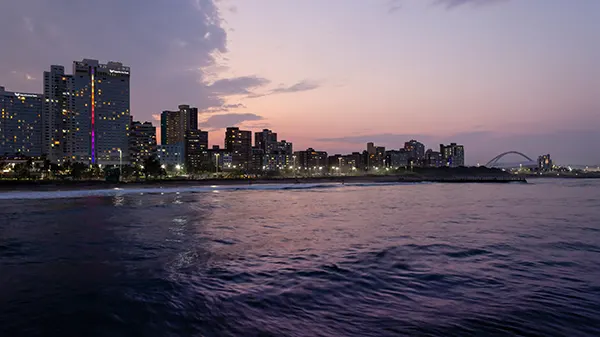
Durban’s beaches sit on the Indian Ocean side of the country, which keeps the water considerably warmer than Cape Town’s Atlantic coast, a detail that matters more than most adults expect once kids are actually in swimsuits. uShaka Marine World combines a large aquarium with water slides and a dolphin show, giving families a full day of activity without needing a car for the afternoon. The city’s promenade, running for several miles along the beachfront, is flat, paved, and well suited to scooters or a stroller, unlike some of the steeper coastal paths further south around Cape Town. Durban also holds the largest population of people of Indian descent outside India itself, a legacy of nineteenth-century indentured labor migration, and the city’s food reflects it: bunny chow, a hollowed-out loaf filled with curry, has become a local specialty worth trying regardless of a family’s spice tolerance. Warm water, flat paths, and food that kids will actually eat make Durban an easier coastal stop than its more famous counterpart down south.
Beyond the malaria-free status of Addo, the distances involved in this route are considerably shorter than the Cape Town to Kruger stretch that anchors most standard itineraries, which cuts down on long travel days that test any child’s patience. Port Elizabeth, the Drakensberg foothills, and Durban form a rough triangle rather than a single long line, so driving segments tend to run three to five hours rather than the full-day hauls common elsewhere in the country. Family-oriented lodges throughout the region increasingly offer connecting rooms, kids’ activity programs, and menus built around simpler options than a formal safari lodge’s set dinner. Game drives timed for families often run shorter and later in the morning than the classic pre-dawn departure, a small adjustment that makes a noticeable difference when getting a toddler out the door on schedule. None of this requires sacrificing the wildlife or scenery that draws people to South Africa in the first place, just a different sequencing of it.
Flying into Port Elizabeth works well as a starting point, since it sits closest to Addo and avoids the longer transfer that Cape Town or Johannesburg would add to the front of the trip. From Addo, the drive north into the Drakensberg foothills takes most of a day, so building in an overnight stop along the way, rather than pushing straight through, keeps the pace manageable with kids in the car. Two or three nights in the Drakensberg gives enough time for a shorter hike and a cultural village visit without feeling rushed, before continuing on to Durban for the coastal portion of the trip. A total of ten to twelve days covers all three regions comfortably, leaving room for a slower pace than a wildlife-and-cities itinerary would typically allow. Booking family accommodations several months ahead matters here too, since connecting rooms and larger family units sell out faster than standard doubles at most properties in the region.

Whitefish, Montana pulls families in for the same reasons it hooks skiers, hikers, and lake-day dreamers: Glacier National Park on…

Luxury destinations in the USA have shifted away from gilded lobbies and brand-name dining toward something quieter and harder to…

Located in the upper Florida Keys, Islamorada is widely known as the “Sportfishing capital of the world”, a title earned…

Australia is one of the most rewarding places in the world to call home. With so many desirable features in…

Beginners need to be aware of river conditions and section types, the right equipment to bring, safety guidelines, and weather…

If there were cities known mainly for weekly crowds, they ought to be Dallas, Houston, Austin and San Antonio in…

Welcome to Tripvert, your best travel companion. Here, you will find real travel stories, tips, and guides that will help you explore the world with a different approach.